The Sacred Flame of Sukhothai: Unraveling "Takhan," the Legend of the White Crow, and the River of Faith
The Sacred Flame of Sukhothai: Unraveling "Takhan," the Legend of the White Crow, and the River of Faith
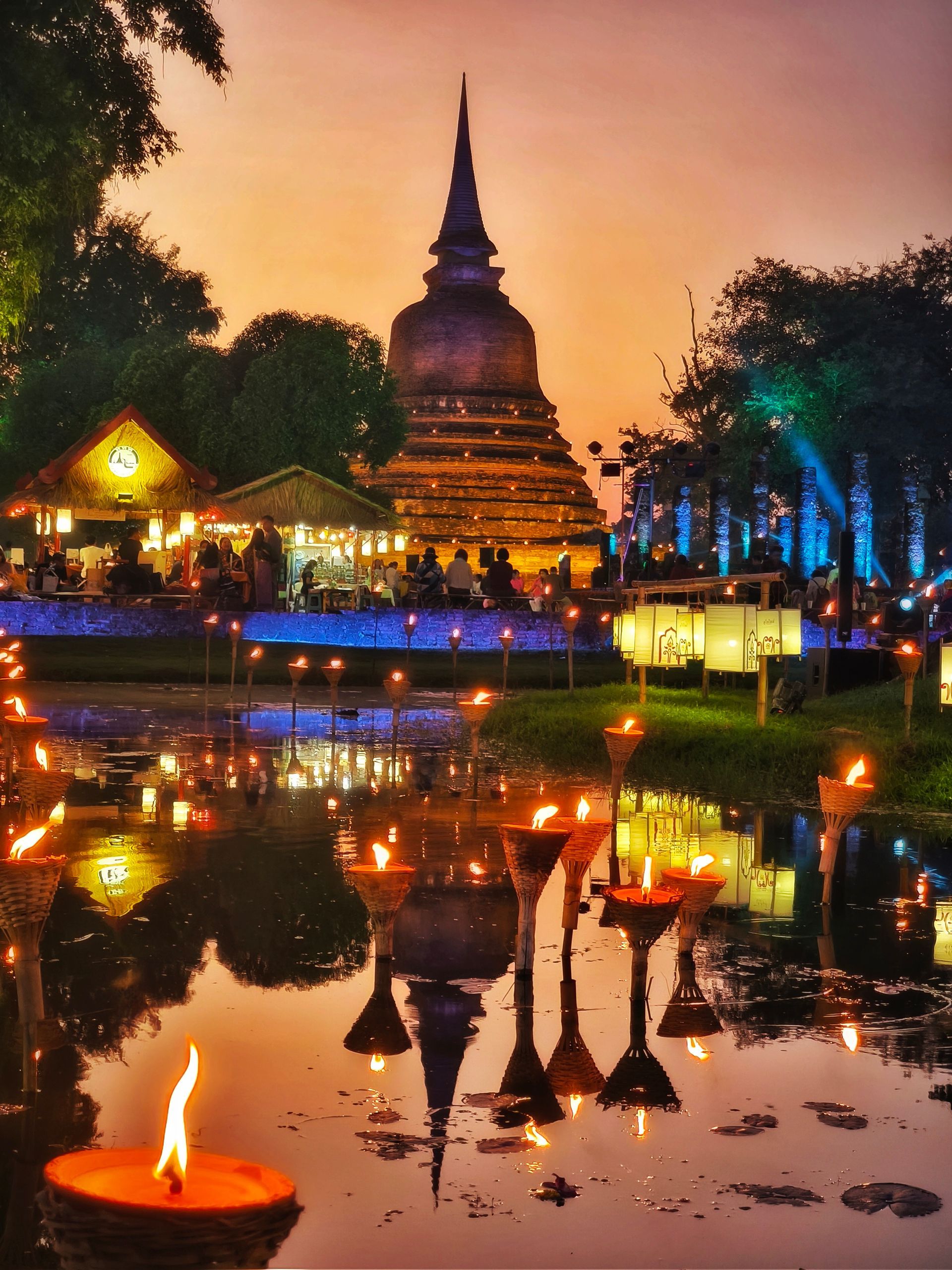
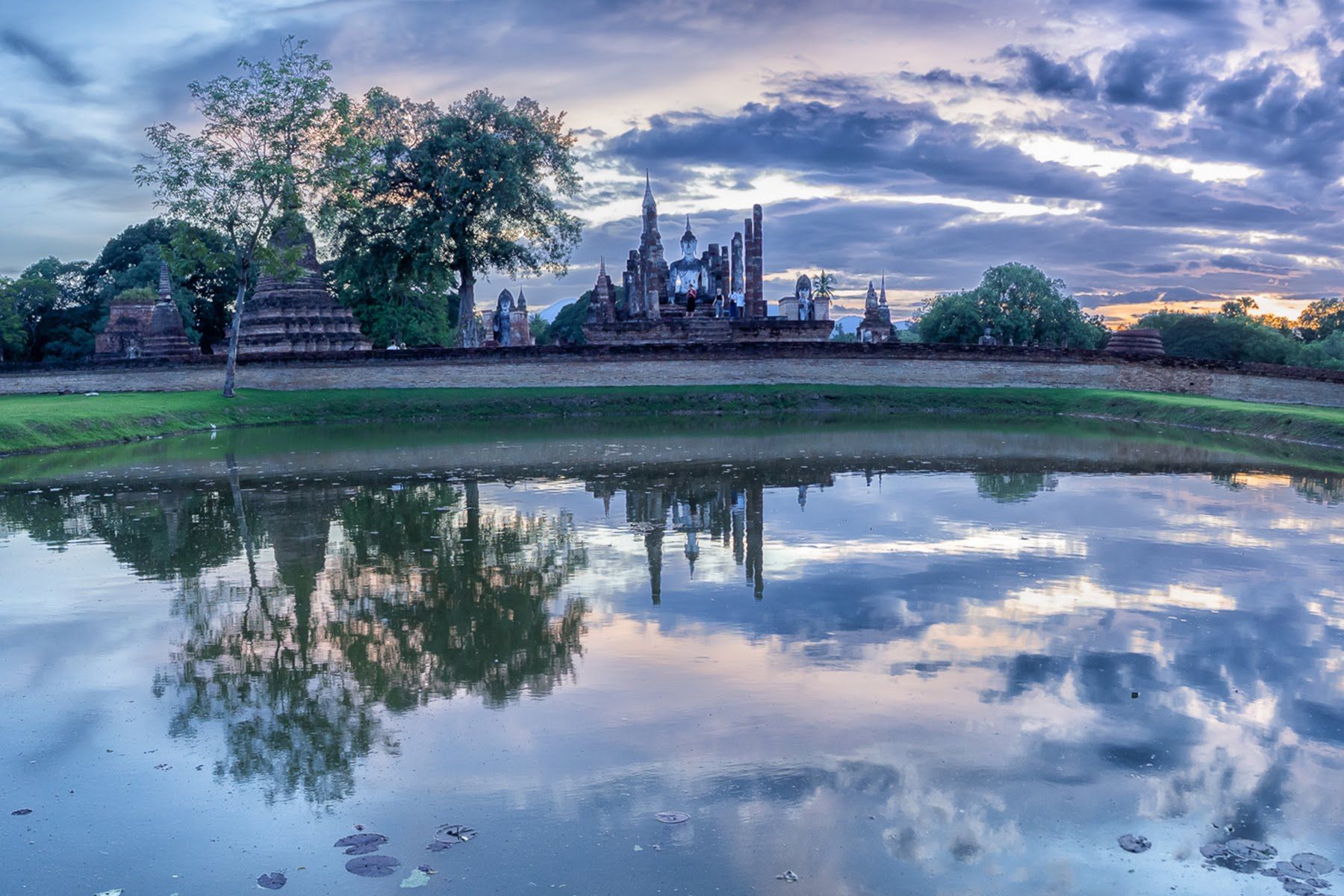
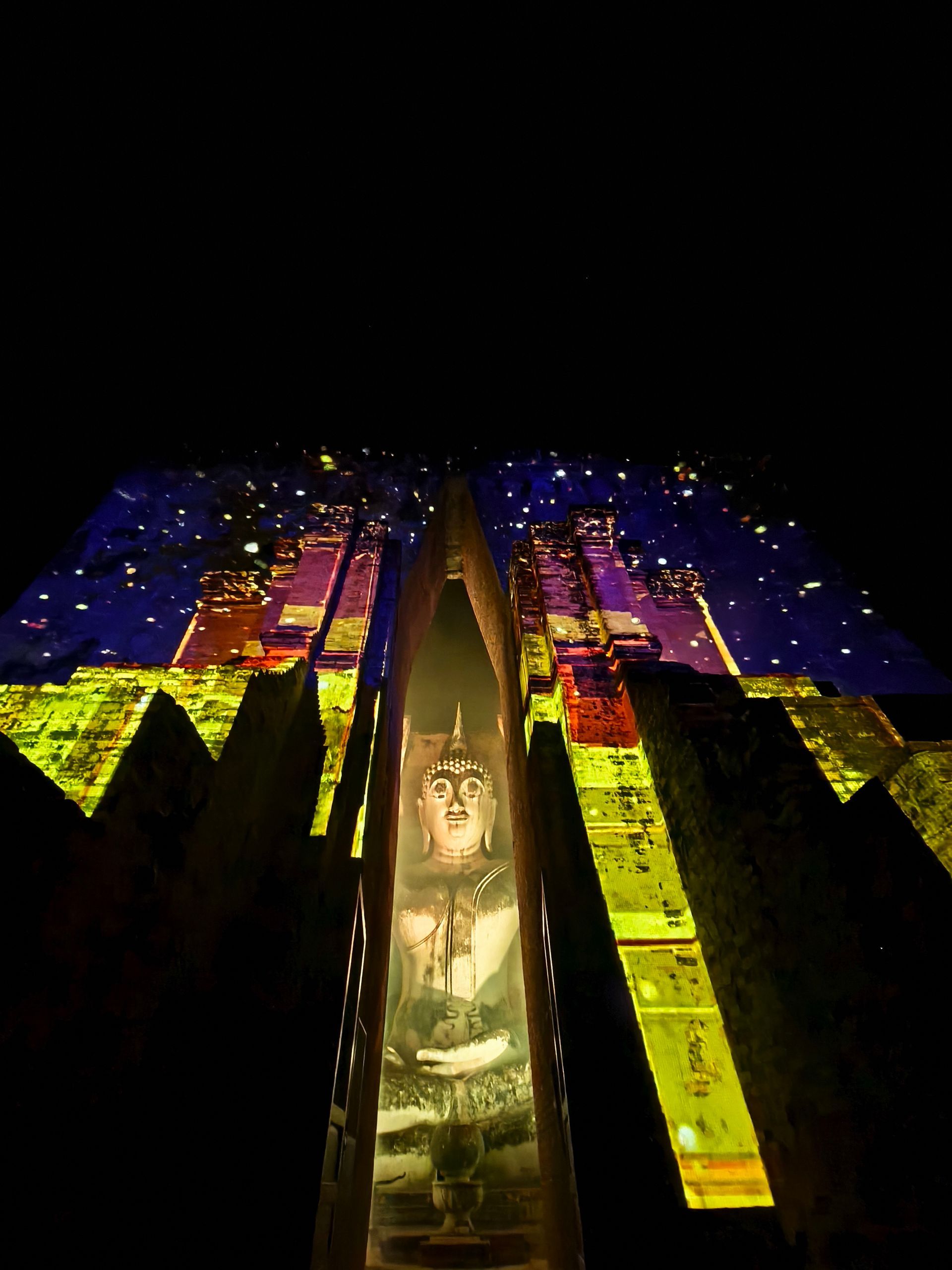
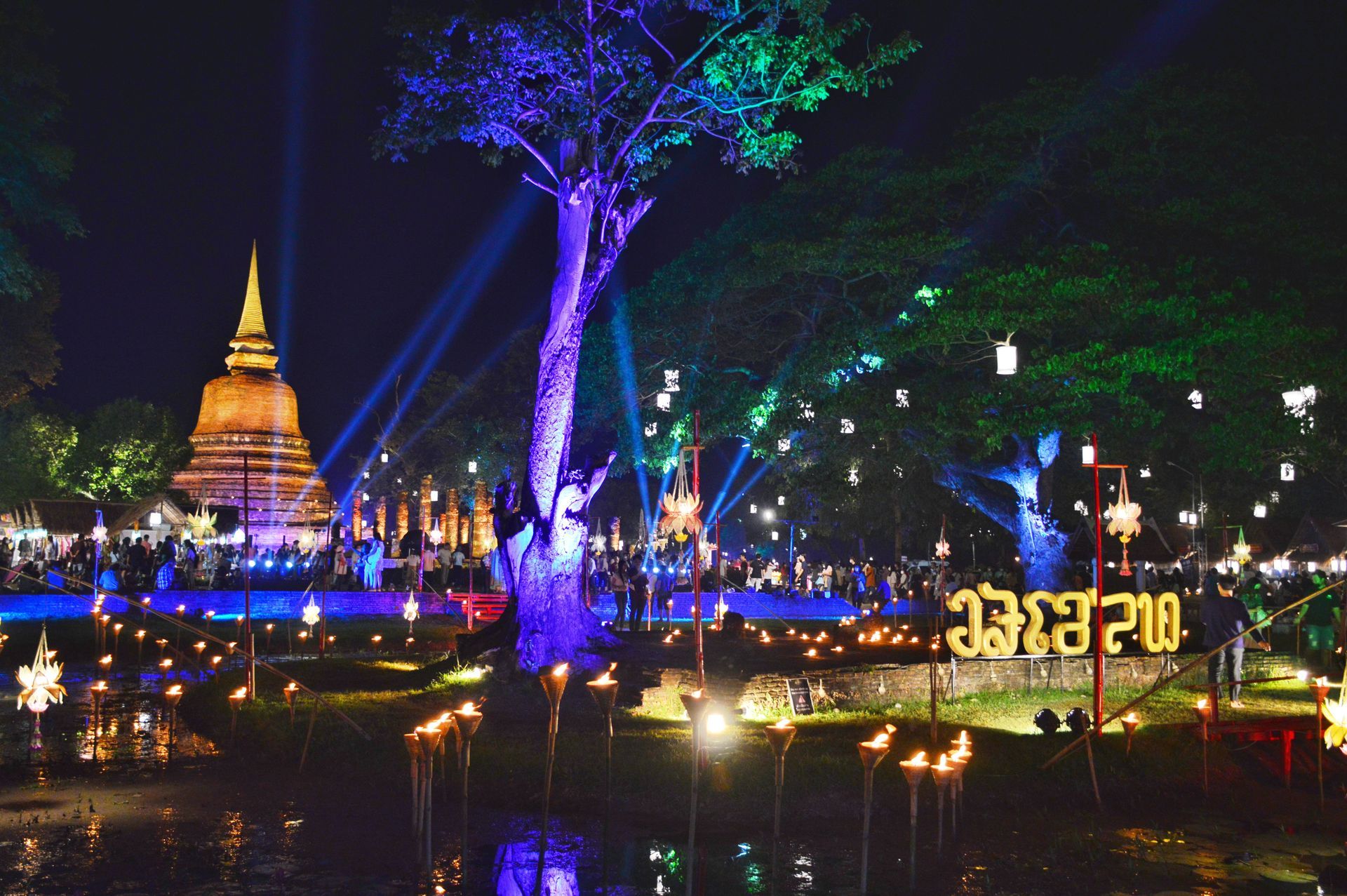
Every November during the full moon, the ancient stone ruins and ponds of Sukhothai Historical Park transform into a sea of golden light. Visitors from across the globe gather for the iconic Loy Krathong and Candle Festival, locally known as Phao Thian Len Fai (เผาเทียนเล่นไฟ).
King Ramkamhaeng stone inscription dated in 1292 vividly describes the sheer scale of this original Pao Tian Len Fai (playing with fire) festival: "Sukhothai has four main gates, people crowd together to watch the lighting of candles and playing with fire. The city looks as if it will burst" ( เมืองสุโขทัยนี้มีสี่ปากประตูหลวง เที้ยนย่อมคนเสียดกันเข้ามาดูท่านเผาเทียนท่านเล่นไฟ เมืองสุโขทัยนี้มีดั่งจักแตก)
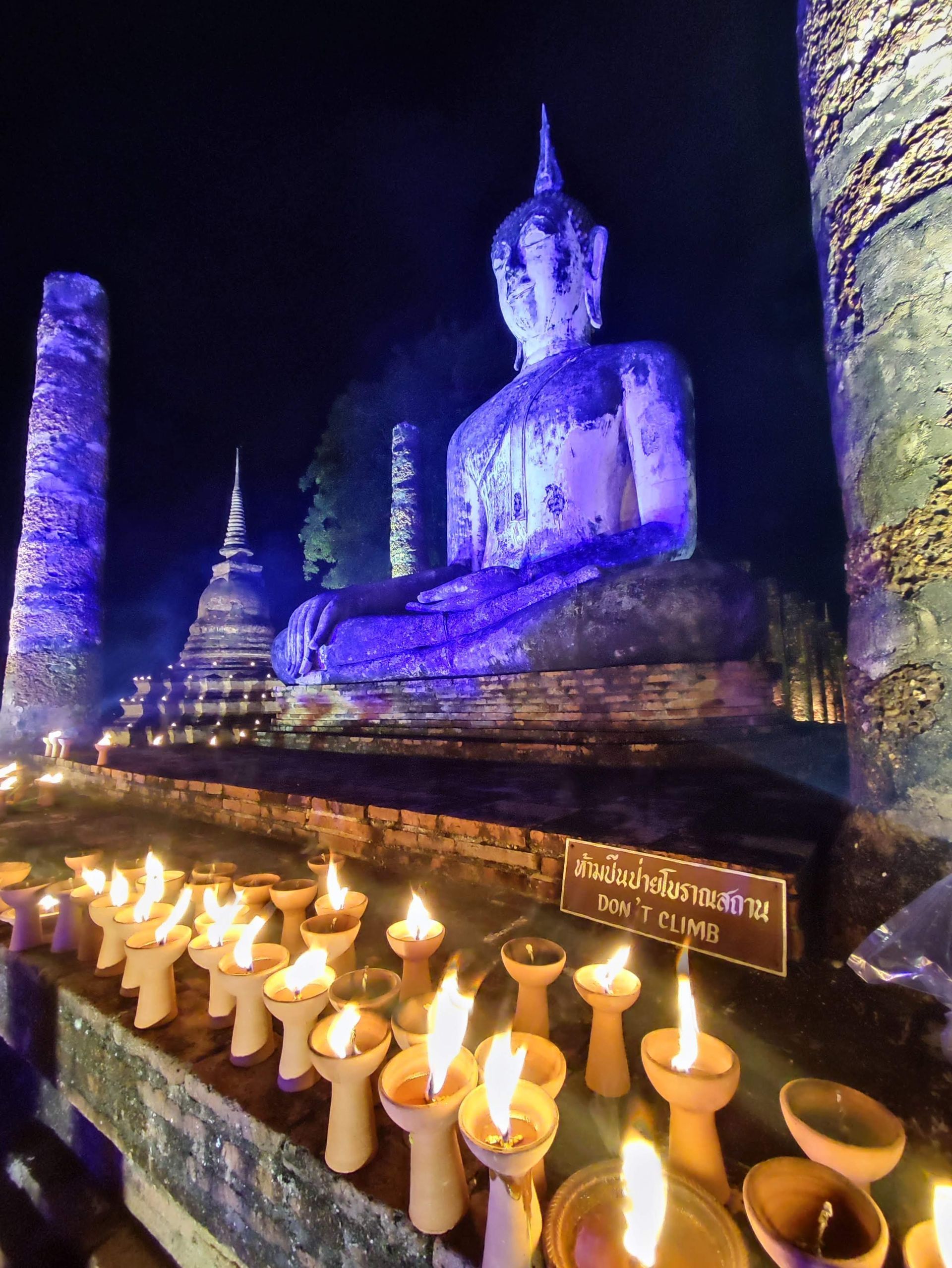
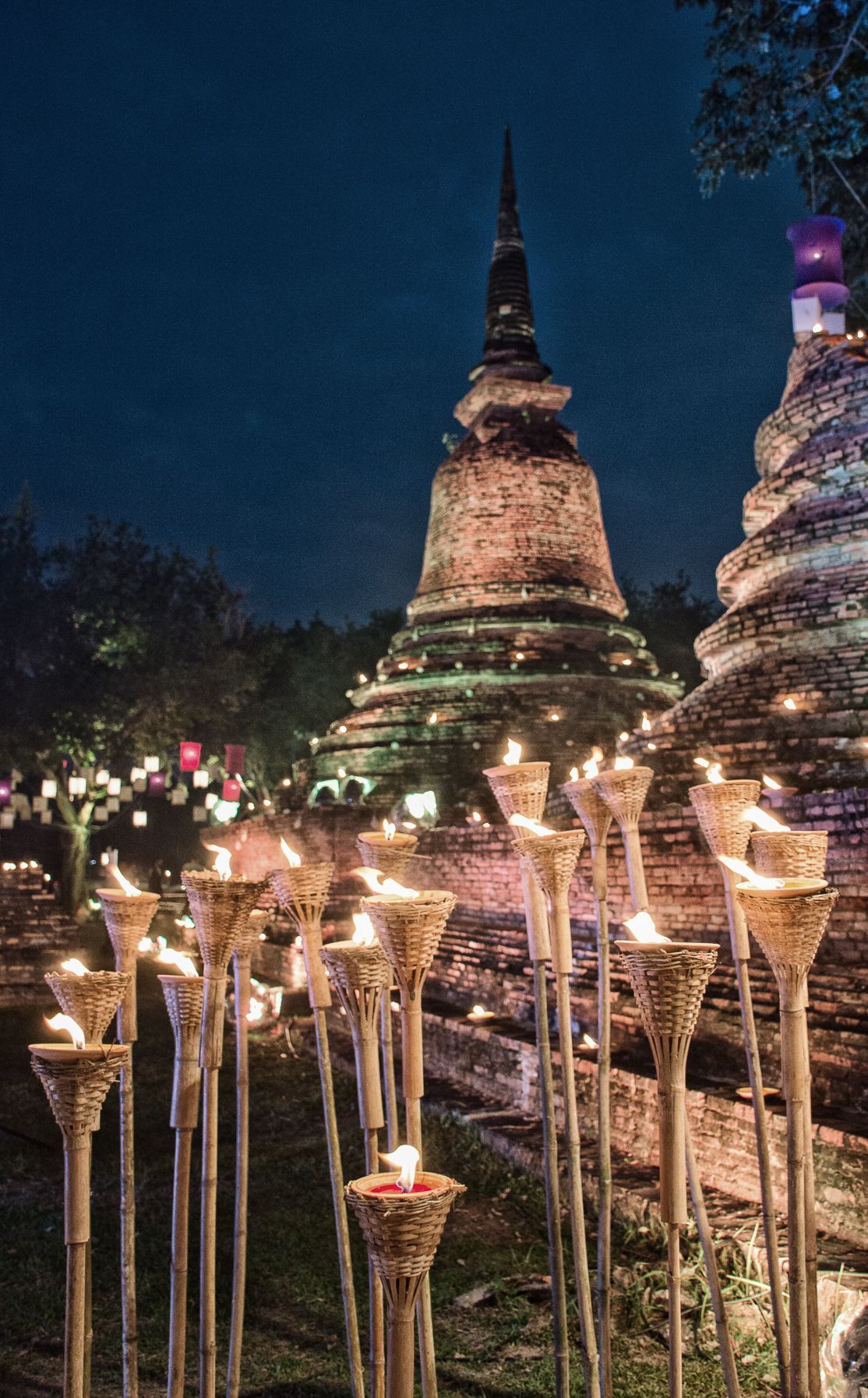
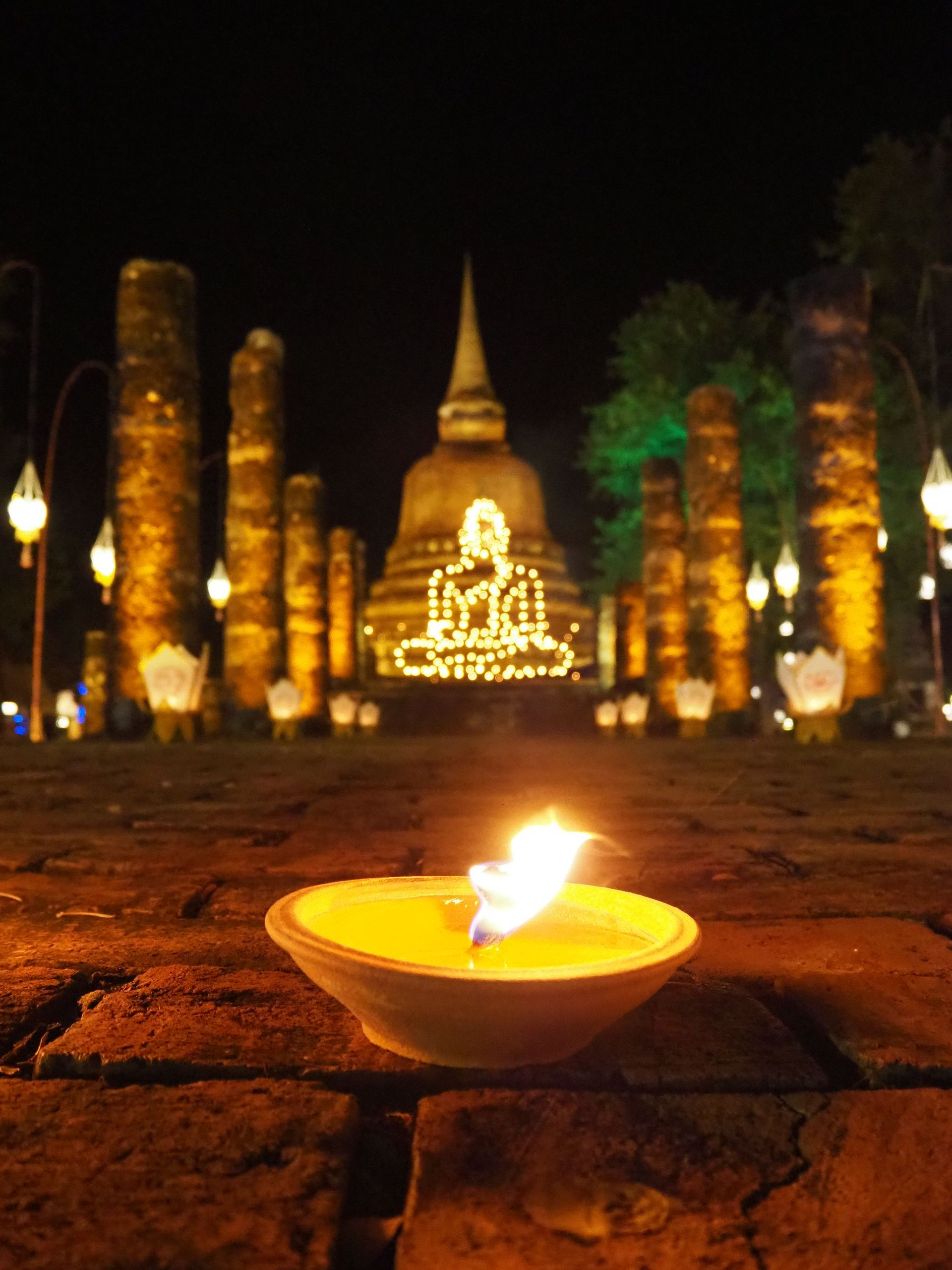
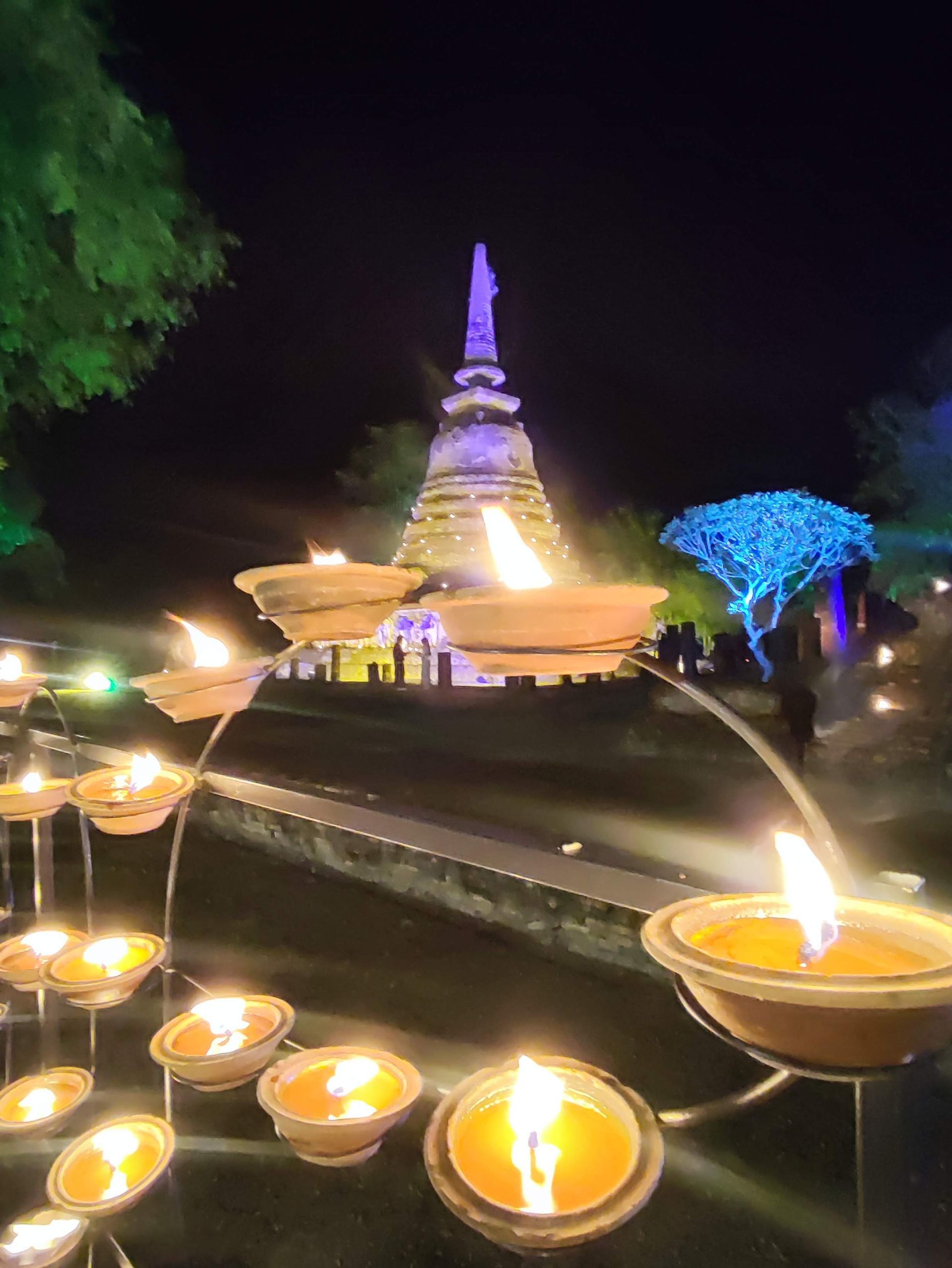
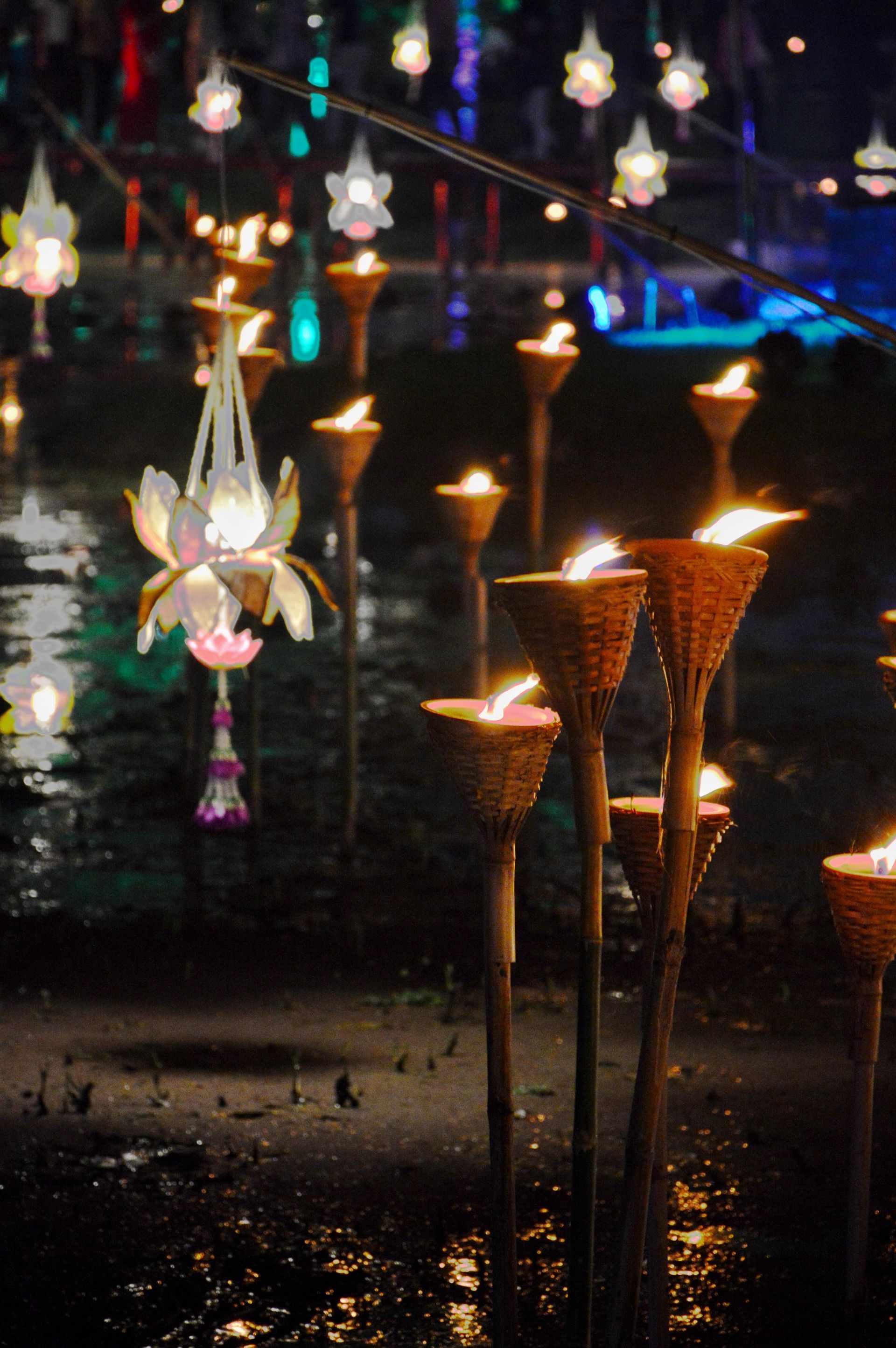
While most travelers focus on the floating floral baskets on the water, look closely at the temple walls, stupa ledges, and brick pathways. You will see thousands of tiny, glowing terracotta saucers casting a warm, spiritual light across the ancient sites.
These clay lamps are called Takhan (ตะคัน). To the untrained eye, they seem like simple decorative tea lights, but they actually carry a 700-year-old philosophy intertwining ancient royal inscriptions, a poignant Northern myth of The Five Buddhas, and sacred Buddhist river traditions.
What is a "Takhan"? The Ancient Fire of Sukhothai
The word Phao Thian Len Fai literally translates to "burning candles and playing with fire (fireworks)." This phrasing comes straight from the celebrated 13th-century King Ramkhamhaeng Inscription Stone, which describes the kingdom's citizens gathering to light candles and celebrate with lanterns across the city.
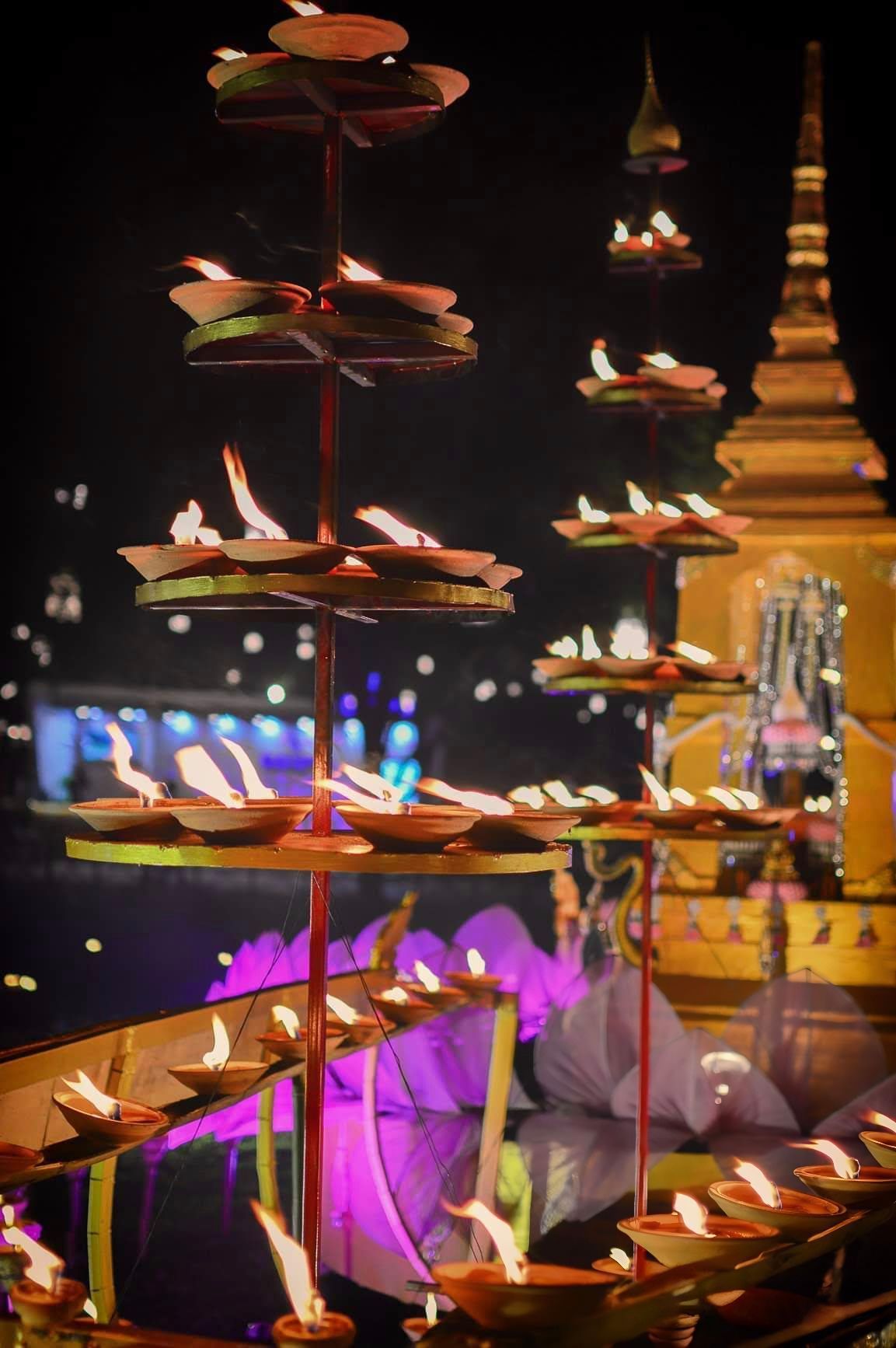
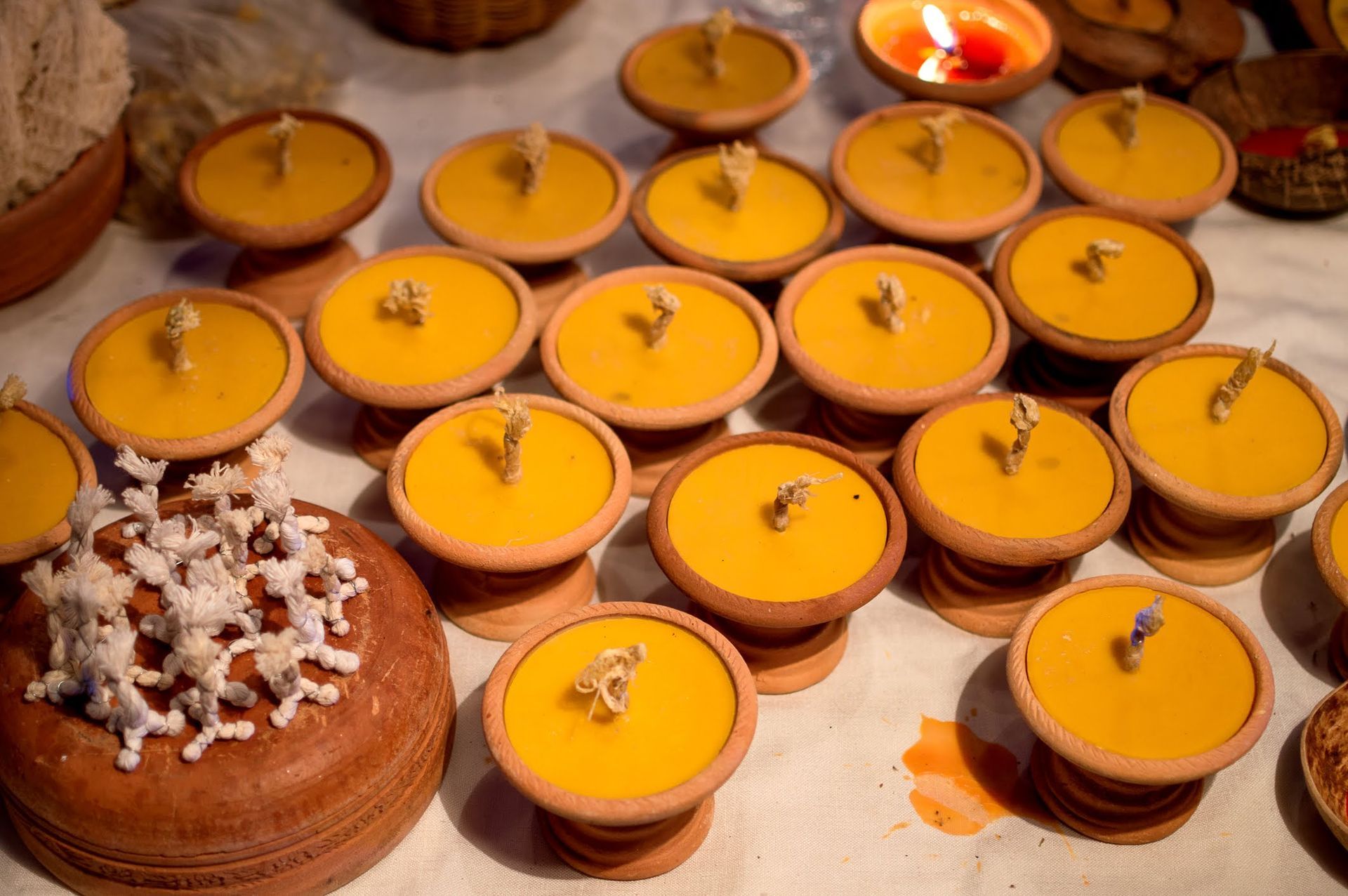
In ancient times, wax tapers were a luxury. Instead, Sukhothai potters shaped small, shallow clay saucers using local river clay, baked them in the historic kilns of Mueang Kao, and filled them with animal fat, coconut oil, or beeswax. These lamps are called Takhan.
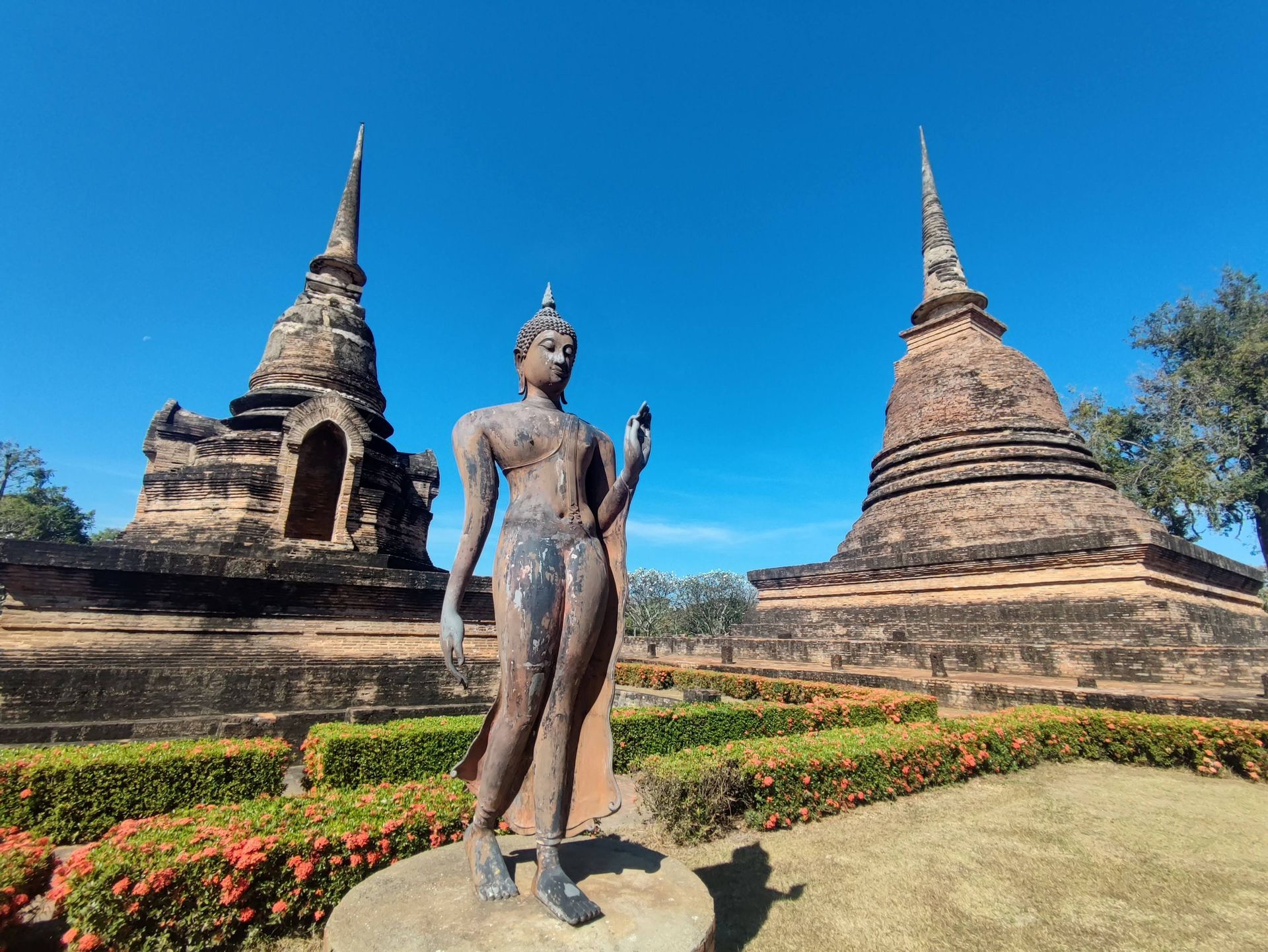
When you see them resting on the brick ledges of Wat Mahathat, you are looking at the exact same light design that illuminated the Sukhothai Kingdom over seven centuries ago.
The Northern Connection: From Takhan to Lanna's "Phang Prathip" (ผางประทีป)
To truly understand why these lamps hold such deep spiritual meaning, we have to look north toward Lanna (modern-day northern Thailans). In the Lanna tradition, these identical clay oil dishes are known as Phang Prathip.
The cultural exchange between Sukhothai and Lanna ran deep through royal alliances, shared Buddhist monks, and trade routes. Along with artisans and texts, the spiritual ritual of lighting Phang Prathip crossed borders into Sukhothai's Takhan.
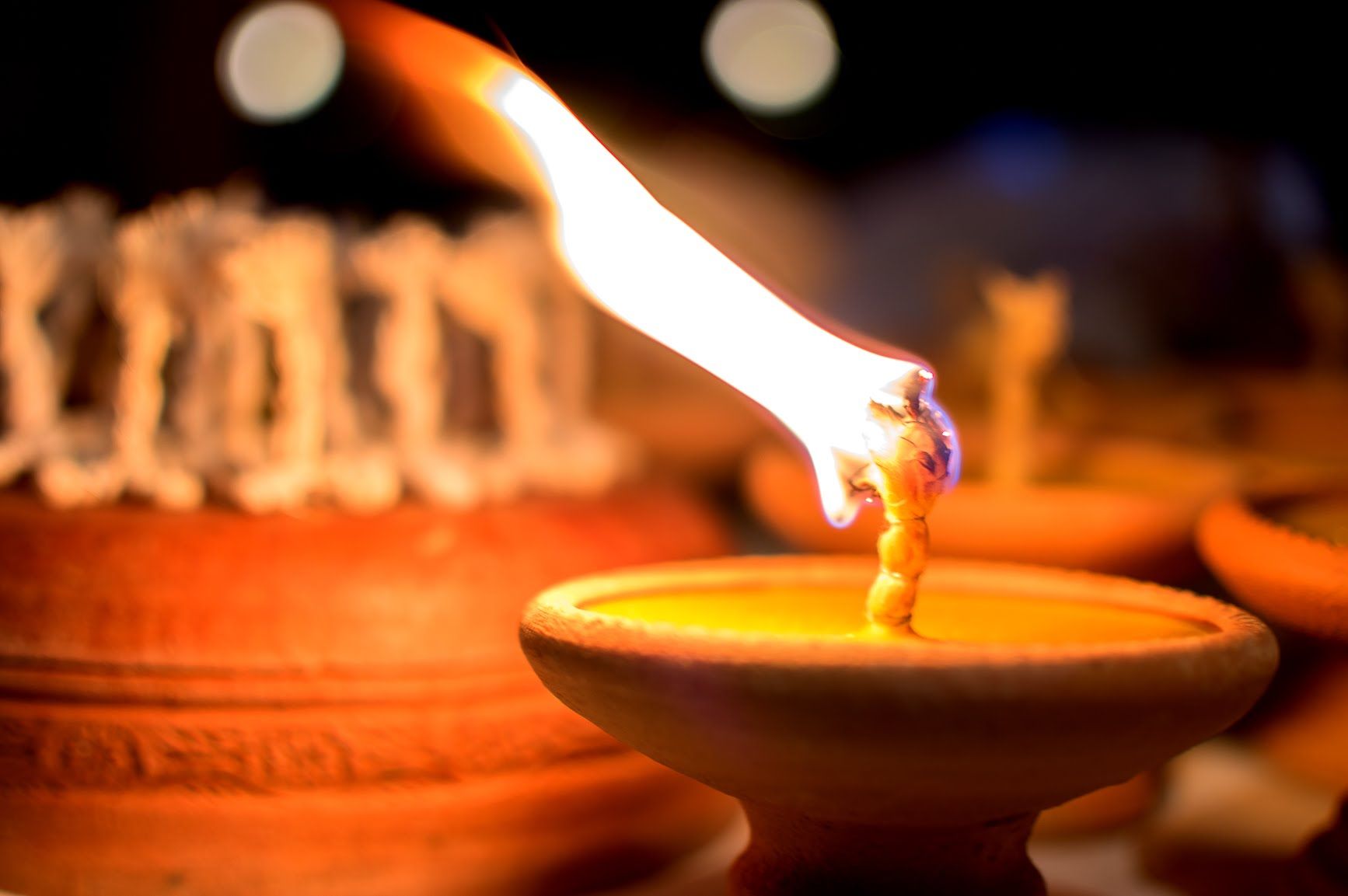
Look into a traditional Takhan or Phang Prathip before it is lit, and you will notice something peculiar about the cotton wick: it is braided into three prongs, resembling the footprint of a bird.
Locals call this the Tin Ka (ตีนกา) or "Crow’s Foot" wick. This tiny detail is the key to one of Thailand’s most beloved folk legends.
The Legend of Mae Ka Phueak: The White Crow and the Five Buddhas
According to the ancient northern scripture Tamnan Mae Ka Phueak (ตำนานแม่กาเผือก), long before human civilization, a pair of pure white crows nested near a great river.
One day, while the mother crow was out gathering food, a sudden violent storm devastated the forest. The great tree holding their nest collapsed, and the raging waters washed away their nest containing five precious eggs.
The mother crow returned to an empty branch. Heartbroken, she searched the riverbanks day and night, weeping until her heart gave out and she passed away from grief. Due to her boundless maternal devotion, she was reborn in the highest celestial realm as Baka Brahma (ท้าวพกาพรหม).
Meanwhile, the five eggs did not perish. Drifting to different riverbanks, each egg was rescued and nurtured by a different animal foster mother:Meanwhile, the five eggs did not perish. Drifting to different riverbanks, each egg was rescued and nurtured by a different animal foster mother:
- The First Egg was adopted by a Hen (แม่ไก่ Mae Kai)
- The Second Egg was adopted by a Naga Serpent ( แม่นาค Mae Nak)
- The Third Egg was adopted by a Turtle (แม่เต่า Mae Tao)
- The Fourth Egg was adopted by a Cow (แม่วัว Mae Wua)
- The Fifth Egg was adopted by a
Lioness (แม่ราชสีห์ Mae Ratchasi)
As the boys grew into young men, each discovered through deep meditation that they were destined for greatness. They renounced worldly life to become holy hermits. When their spiritual paths converged, they met in the forest and realized they were long-lost brothers who shared the same biological mother: the White Crow.
Wanting to express their deepest gratitude (Kataññū) to the mother who had died searching for them, the brothers prayed to the heavens. Baka Brahma descended from the celestial plane, revealing herself as their mother.
She blessed her five sons and prophesied that each of them would achieve supreme enlightenment as a Buddha during this present cosmic era—known in Buddhist cosmology as the Bhaddakappa (ภัทรกัป):
- The child of the Hen became Kakusandha Buddha ("Na")
- The child of the Naga became Konagamana Buddha ("Mo")
- The child of the Turtle became Kassapa Buddha ("Phut")
- The child of the Cow became Gautama Buddha ("Tha" - the historical Buddha of our era)
- The child of the Lioness will become Maitreya Buddha ("Ya" - the future Buddha)
(This is the origin of the sacred five-syllable incantation "Na Mo Phut Tha Ya" นะโมพุทธายะ used in Thai Buddhist prayers).
Before departing, the heavenly mother left her sons a simple instruction:
"Whenever you wish to remember me and honor the unconditional love of motherhood, take spun cotton and shape it like the foot of a crow (ตีนกา). Place it in a small lamp, light the flame, and send your reverence into the night sky."
To this day, every time a Thai person lights a Takhan or Phang Prathip, they are not just making an offering to the Five Buddhas; they are honoring maternal sacrifice, filial piety, and unconditional love.
The Nammada River (นัมมทานที): Bridging Fire and Water
Why do we celebrate this story during Loy Krathong, an event focused on floating vessels on water?
The link lies in an ancient Buddhist account set along the Nammada River (the modern Narmada River in central India). According to Buddhist lore, the Lord Buddha traveled to the banks of the Nammada River to preach the Dharma to the subterranean Naga King. Before the Buddha departed, the Naga King pleaded for a sacred token of remembrance.
Compassionately, the Buddha pressed his right foot into the sandy bank of the Nammada River, leaving behind a permanent, miraculous footprint for all beings - spirits, nagas, and humans - to revere.
During the full moon of the 12th lunar month, as the monsoon season ends and the rivers crest at their highest:
- Devotees craft Krathongs filled with flowers, incense, and candles to float down the waterways, sending their prayers to the Buddha’s sacred footprint on the sandy bank of the Nammada River while asking forgiveness from Phra Mae Khongkha (the Mother of Waters).
- On the dry land surrounding the temples, devotees light Takhan lamps with crow's foot wicks, elevating the sacred fire to honor the White Crow mother and illuminate the path of the Five Buddhas.
Experiencing the Magic in Sukhothai
When you stand in Sukhothai Historical Park during Phao Thian Len Fai, you are standing at the exact intersection of these sacred myths:
- The cool water of the ancient reservoirs reflects floating lotus lanterns honoring the Nammada River Footprint.
- The warm earth of the brick temple platforms glows with thousands of clay Takhan, carrying the three-toed flame of the White Crow.
It is a living blend of gratitude toward water, mother, and spiritual awakening. When you visit the festival, pick up a clay Takhan, light the crow-foot wick, and set it gently on a temple terrace—you are continuing a tradition of light that has endured for seven centuries.