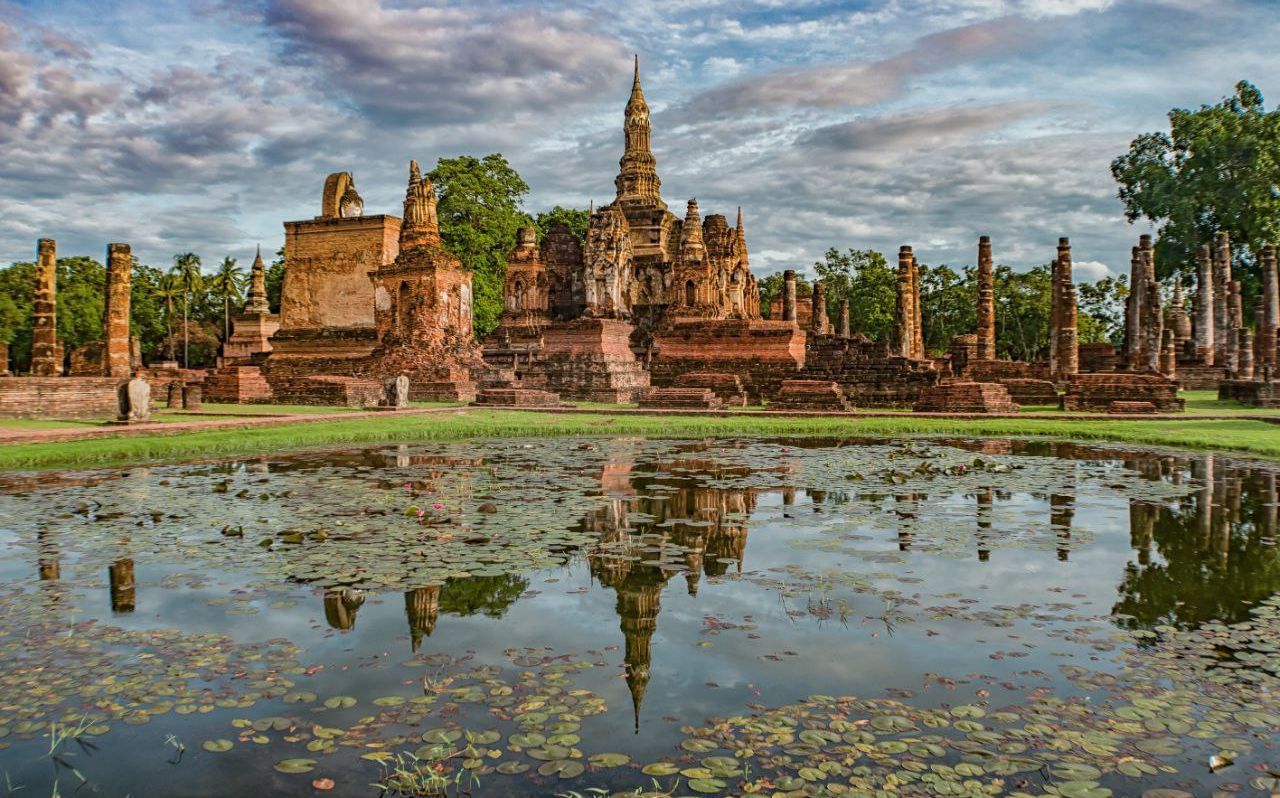
Sukhothai: The Inland Crossroads & Cradle of Thai Identity
Before the concept of a unified "Thailand" existed, the region was a patchwork of independent city-states. In the 13th century, Sukhothai rose not as an empire of conquest, but as a beacon of independence, trade, and benevolence.
Sited strategically on the Yom River basin, it functioned as a sophisticated Inland Trade Hub—connecting the Mon civilizations of the West, the Lanna Kingdom of the North, and the rising powers of the South.
1. A Hydraulic Civilization: Mastery of Water & Earth
Sukhothai was not just a spiritual center; it was a marvel of engineering. Located on the edge of a slope with variable rainfall, the city's survival depended on the sophisticated management of water.
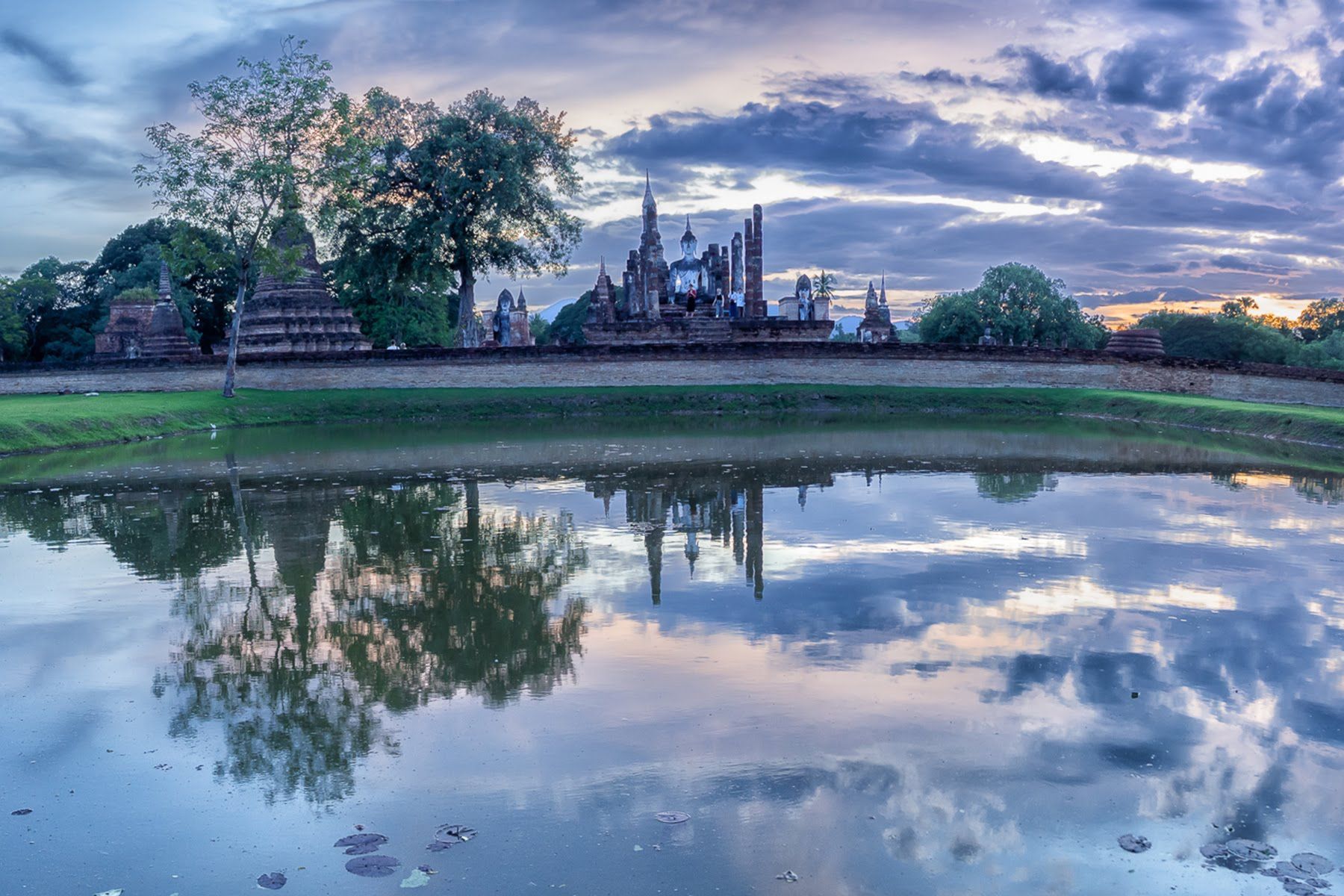
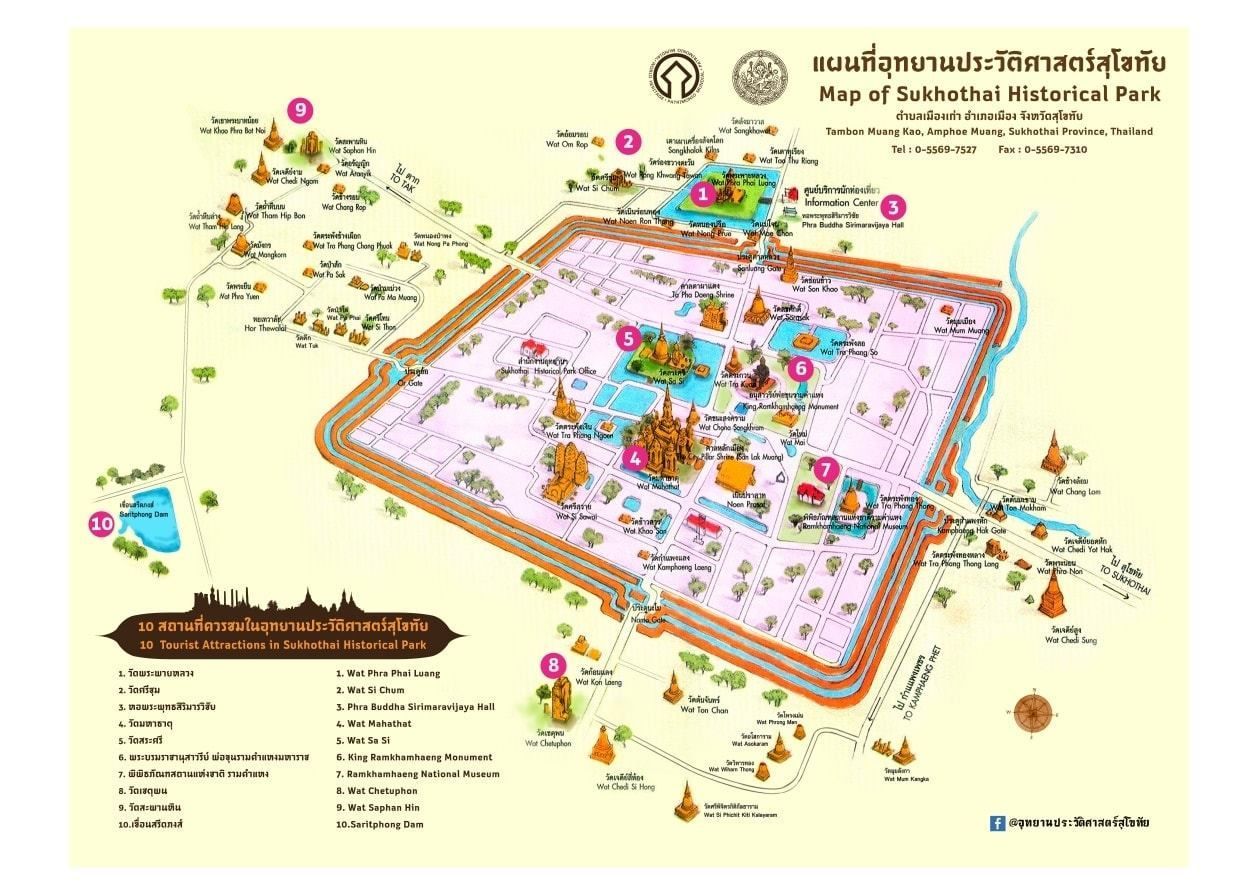
- The City Plan: The city was laid out with a triple-wall system surrounded by moats. These were not merely for defense, but served as critical reservoirs to trap water for the dry season.
- The Irrigation System: Sukhothai engineers constructed the Sareedphong Dam (Thamnop Phra Ruang) at the base of the mountains to channel water through canals (Khlong Sao Ho) into the city.
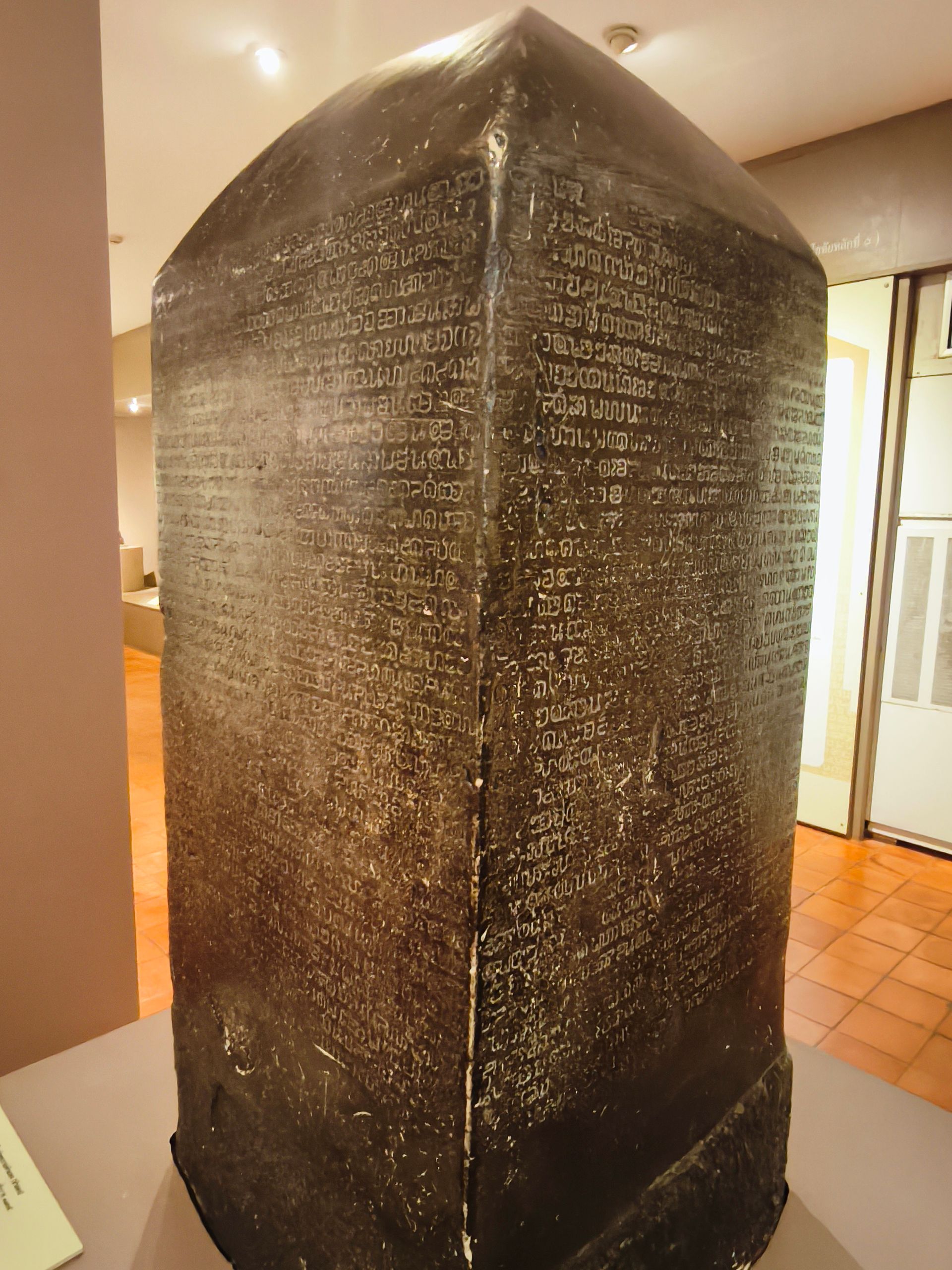
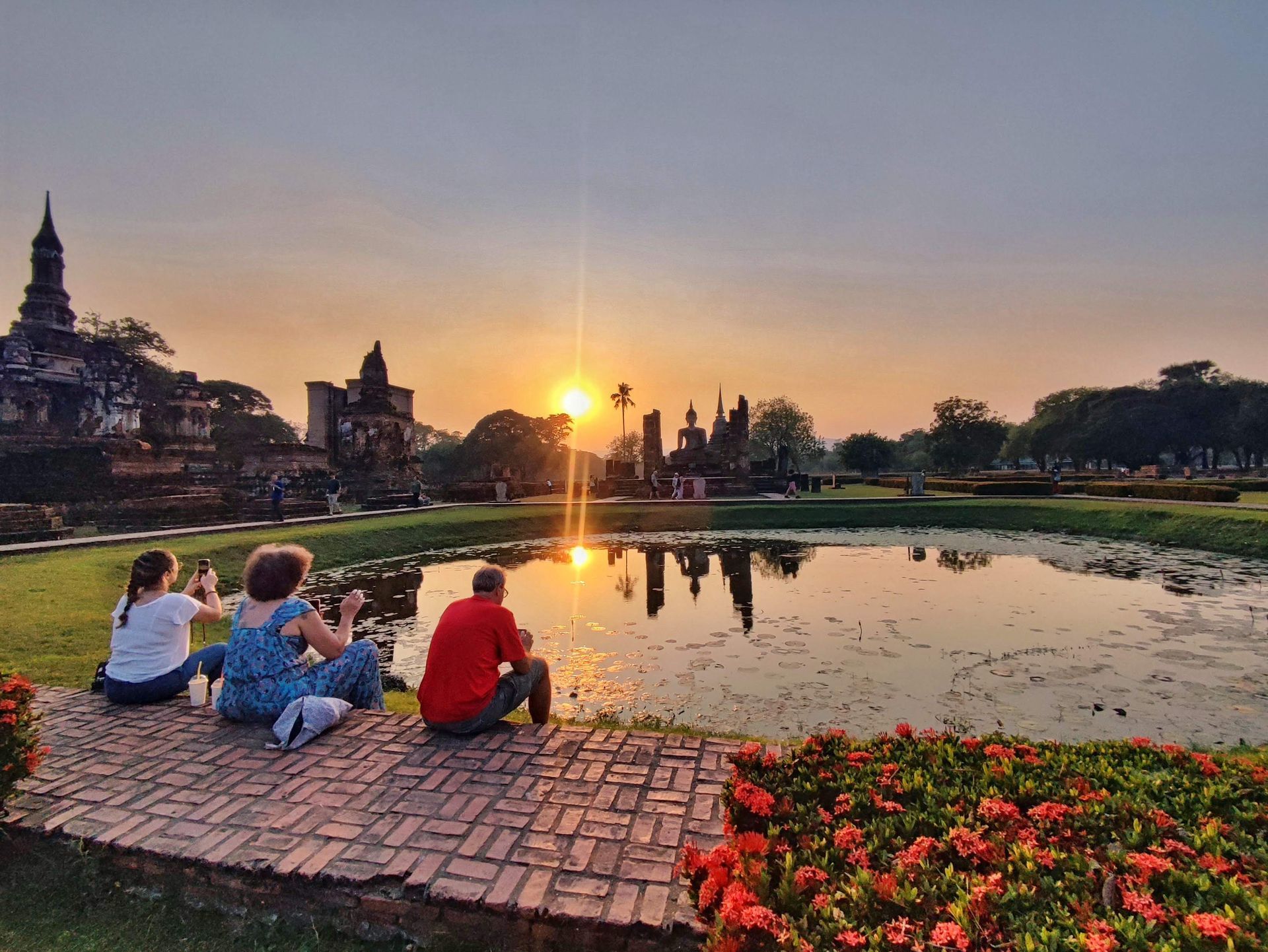
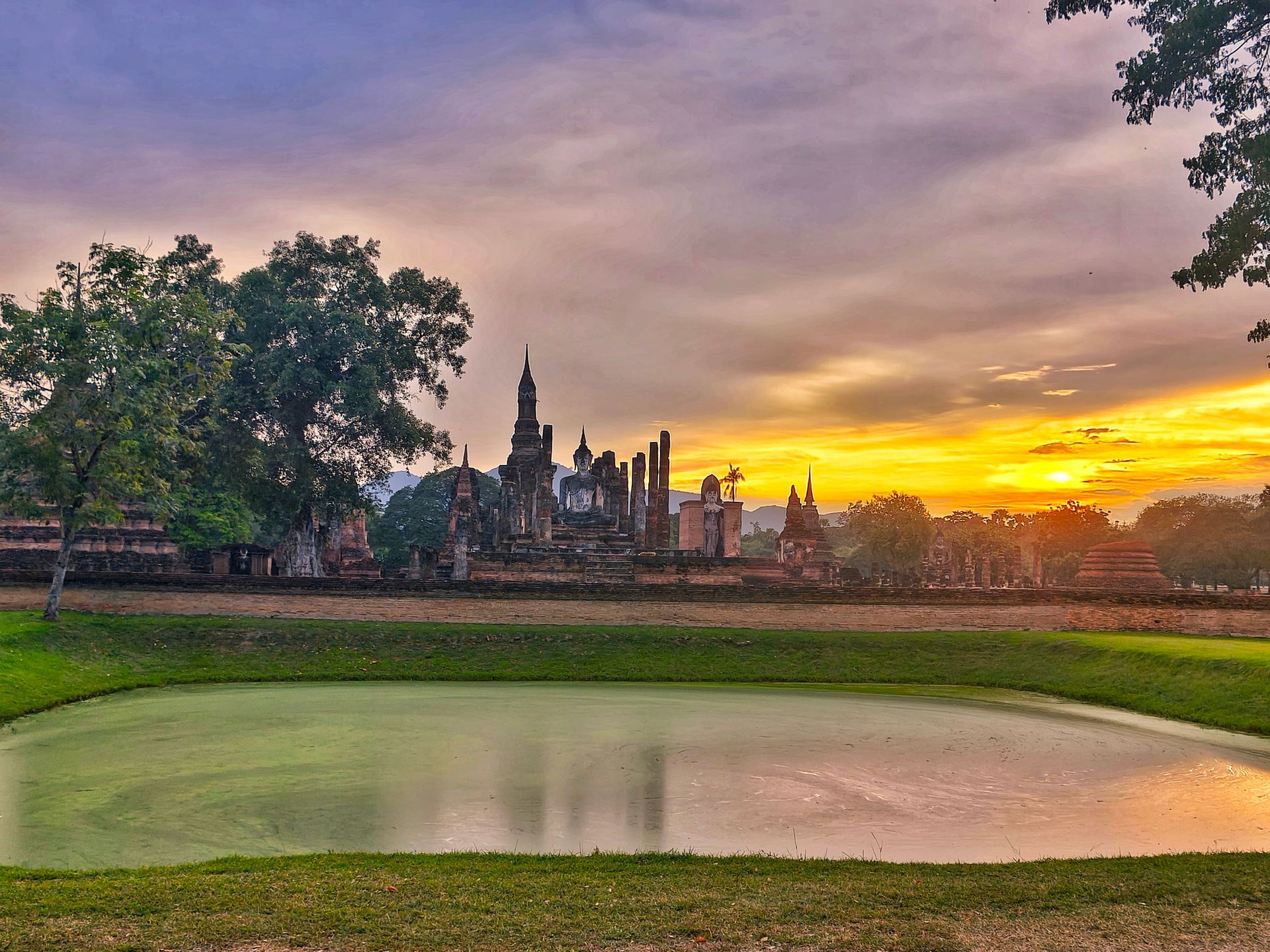
- Traphang (Ponds) & Rice: Inside the city, they dug vast ponds known as Traphang to store water at temples and communities. This network supported extensive rice plantations, allowing the kingdom to feed a growing population. It was this abundance that led to the famous inscription: "In the water there is fish, in the fields there is rice."

2. The Artistic Revolution: Serenity & Movement
Sukhothai artists performed a miracle—they liberated stone from its heavy, earthly form. This era is considered the "Golden Age" of Thai art, distinguished by unique characteristics:
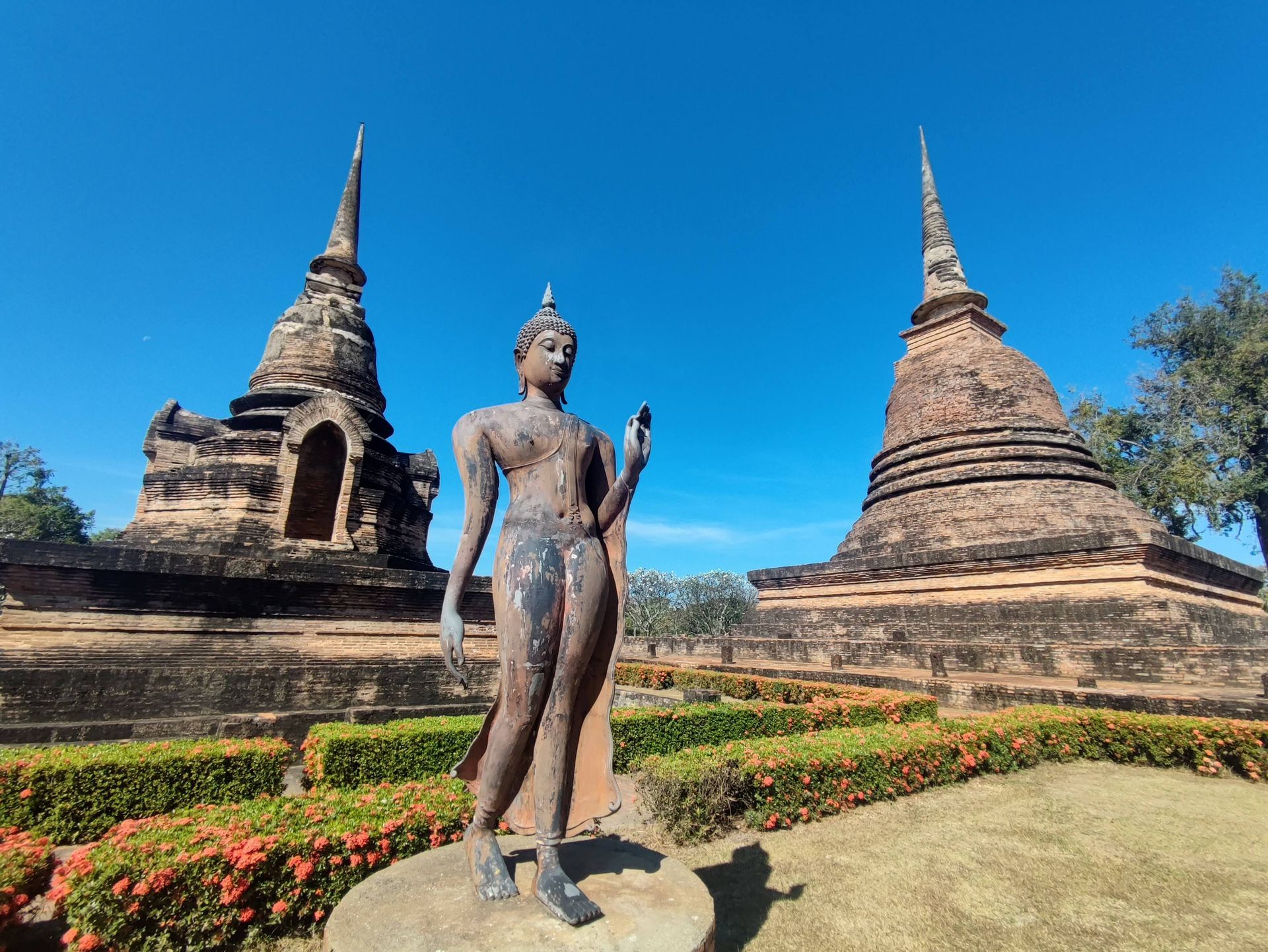
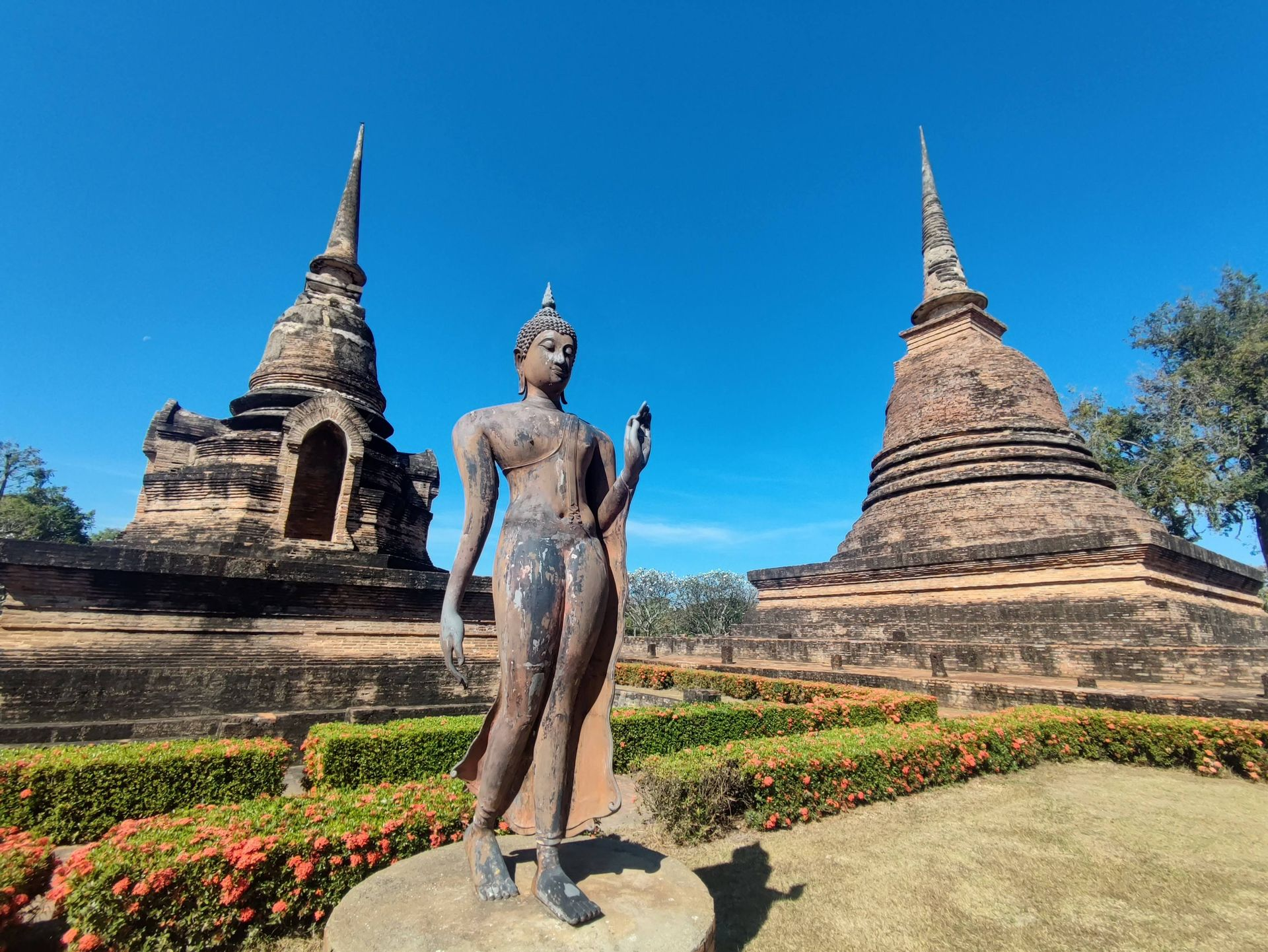
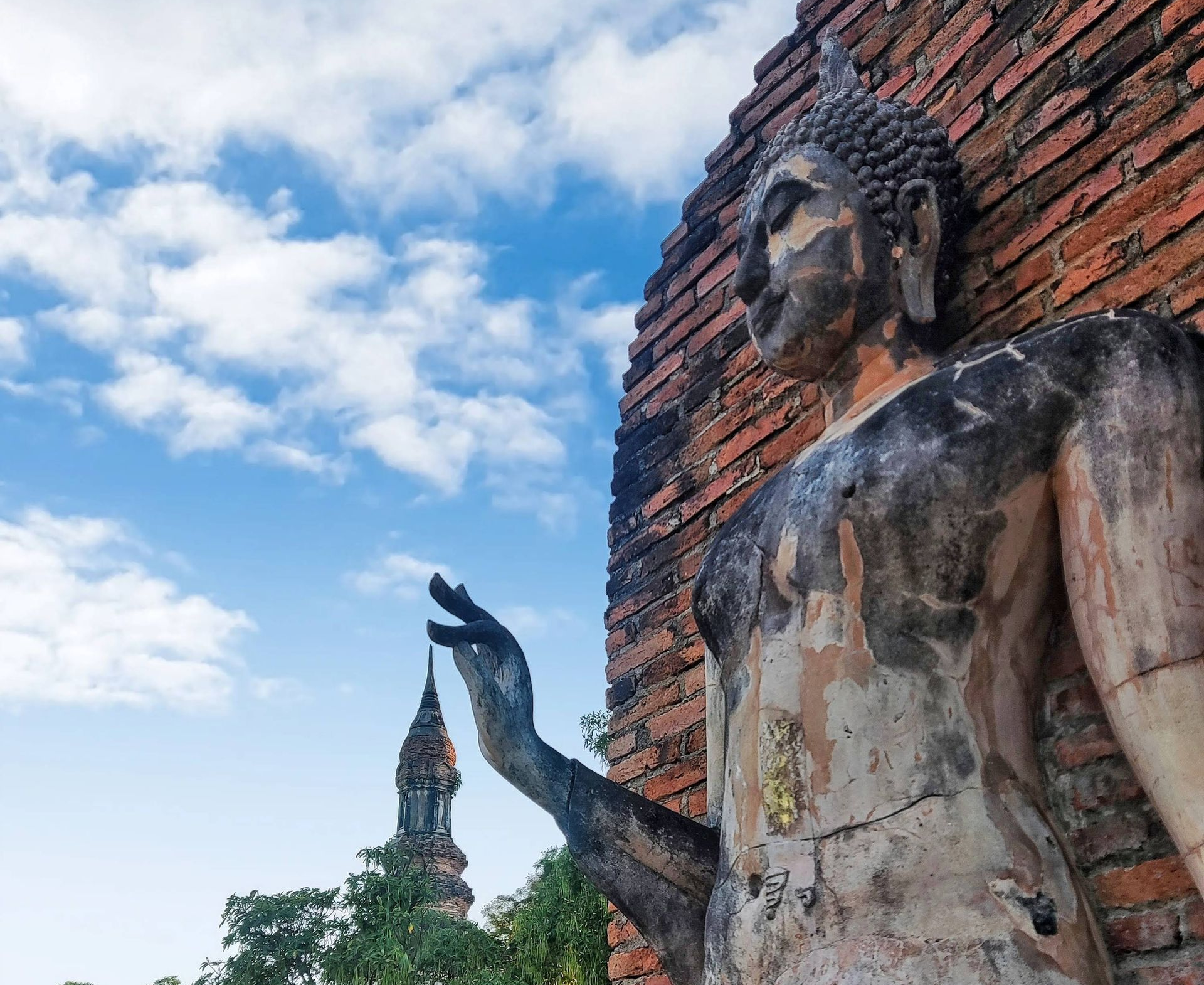
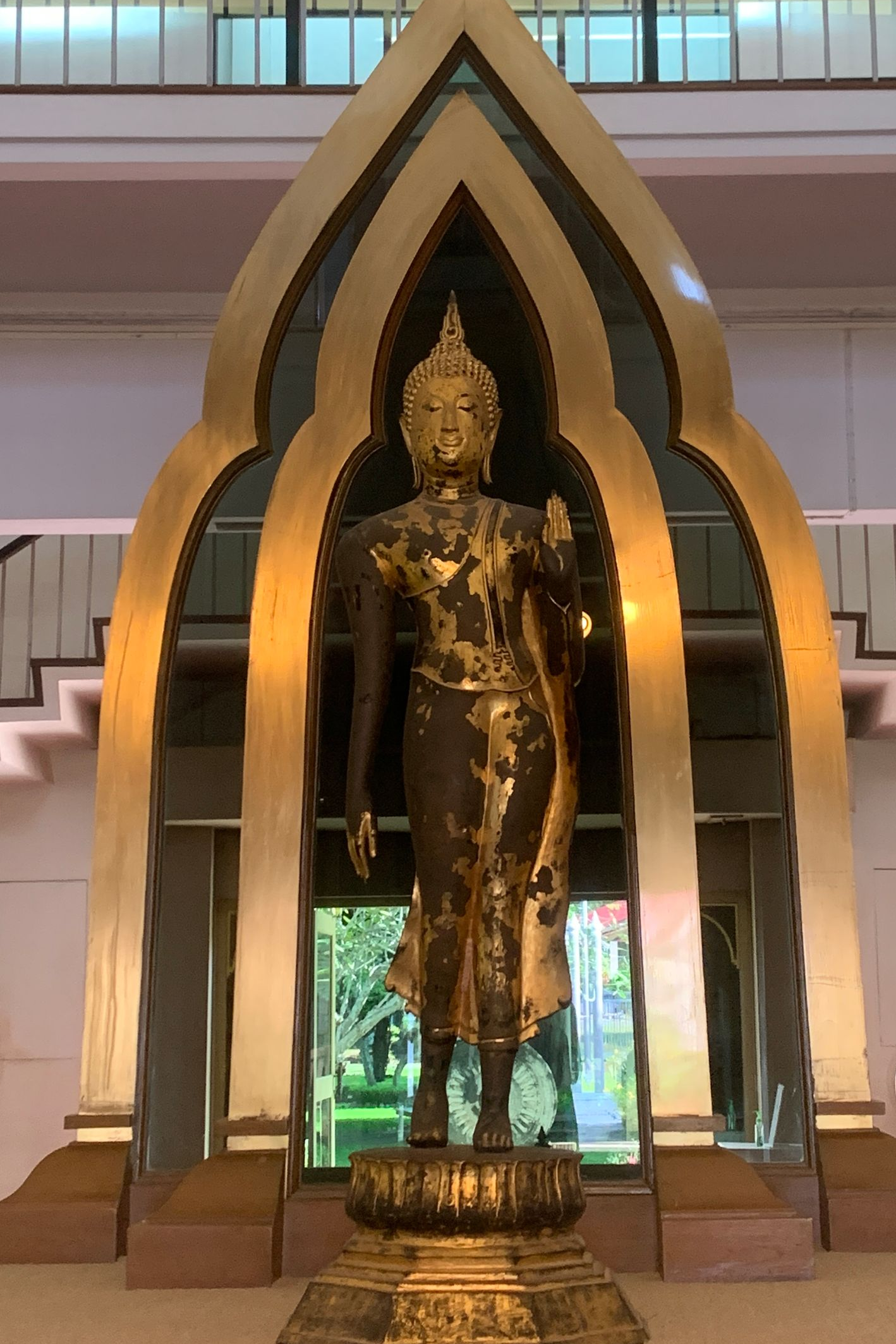
- The Dynamic Movement (The Walking Buddha): Sukhothai inventors created the Leela or "Walking Buddha." Unlike the rigid, standing statues of previous eras, this Buddha is captured in a moment of fluid motion—a heel raised, a hand gesturing, and robes flowing like water. It represents the Buddha descending from Tavatimsa Heaven, showcasing a divine grace that focuses on inner peace rather than physical strength.
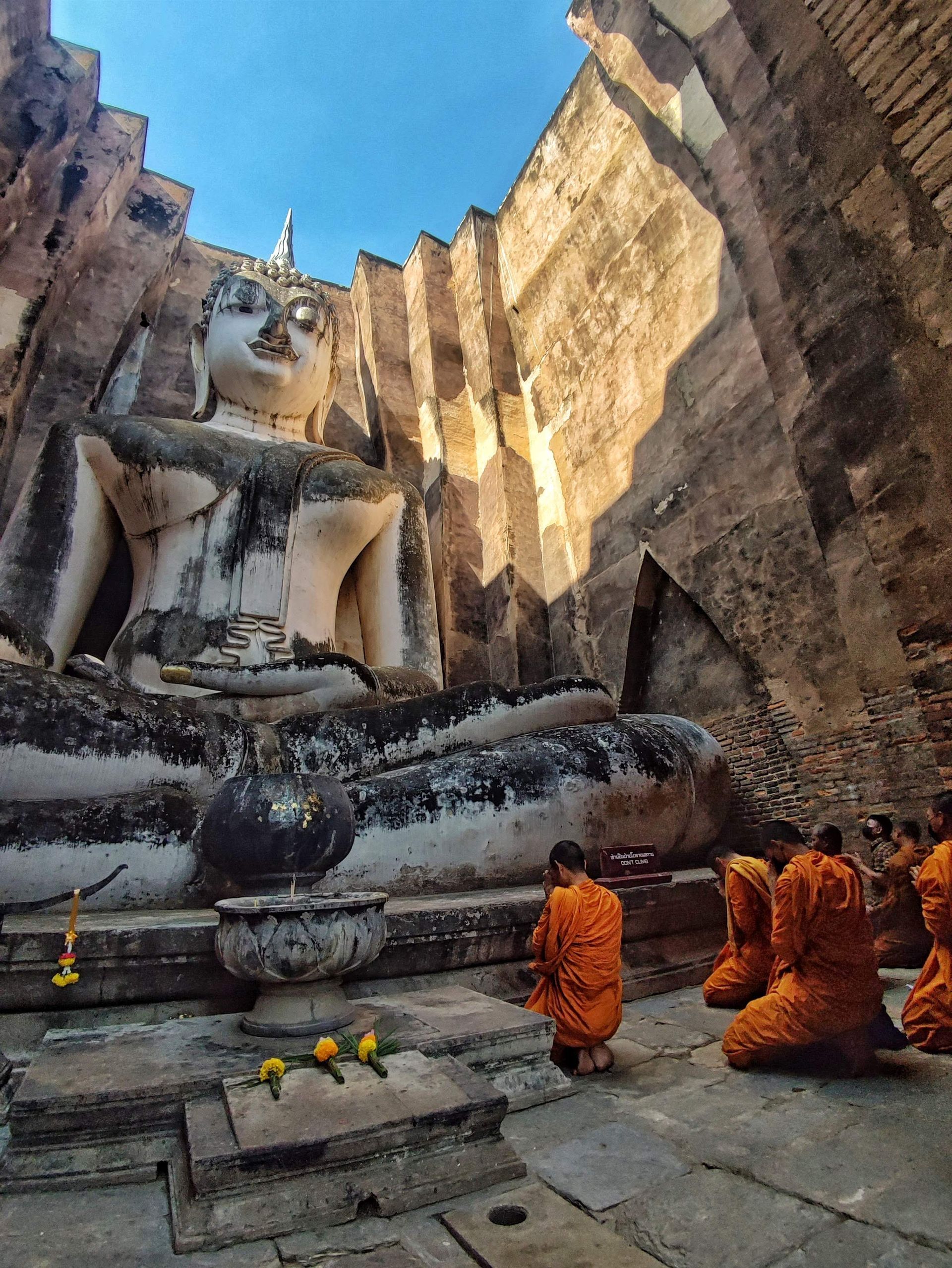
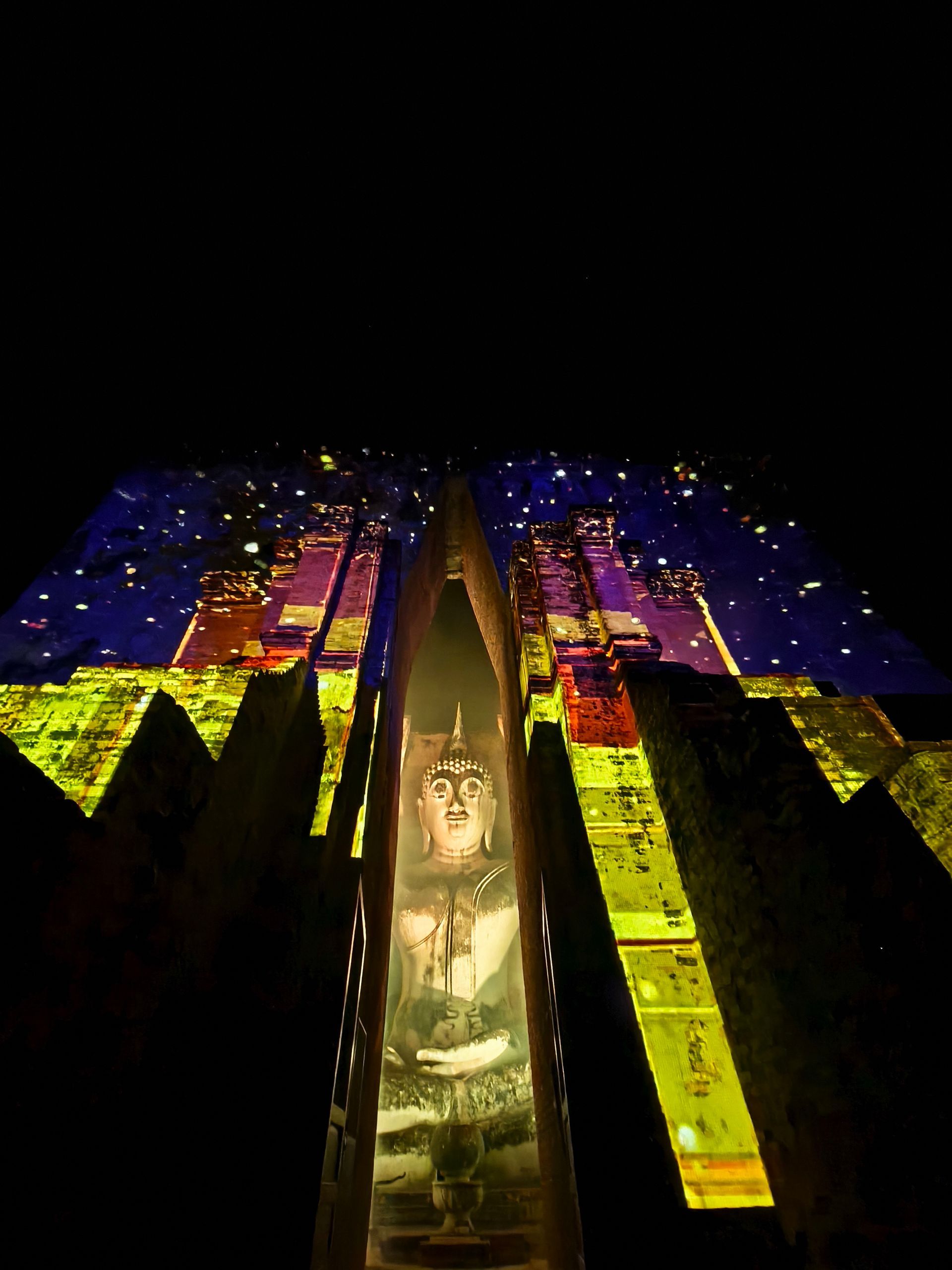
- The Serene Aesthetics: The Sukhothai style introduced the oval face, the arched eyebrows, and the gentle "Sukhothai Smile." The flame-like halo (Ratsami) atop the head symbolizes intellectual enlightenment. These images radiate a compassion and serenity that defined the spirit of the kingdom.
3. Diplomacy & The Inland Crossroads
Sukhothai’s genius lay in its ability to connect diverse worlds through trade and diplomacy. It sat at the center of a massive cultural exchange:
- The Western Connection (The Mon Gateway): To the West, Sukhothai maintained a vital relationship with the Mon Kingdoms (in modern-day Myanmar). This route was crucial for two reasons:
- Trade to the Sea: It provided a direct outlet to the Andaman Sea via the port of Martaban (Mottama). This allowed Sukhothai to trade with India, Persia, and beyond, bypassing the long route around the peninsula.
- The Arrival of Buddhism: Most importantly, this was the spiritual gateway. The Lankavamsa Theravada Buddhism that defines Thai culture today traveled from Sri Lanka, through the Mon lands, and into Sukhothai via forest monks.
- The Northern Alliance: Sukhothai maintained close ties with the Lanna Kingdom (Chiang Mai) creating a buffer against northern threats.
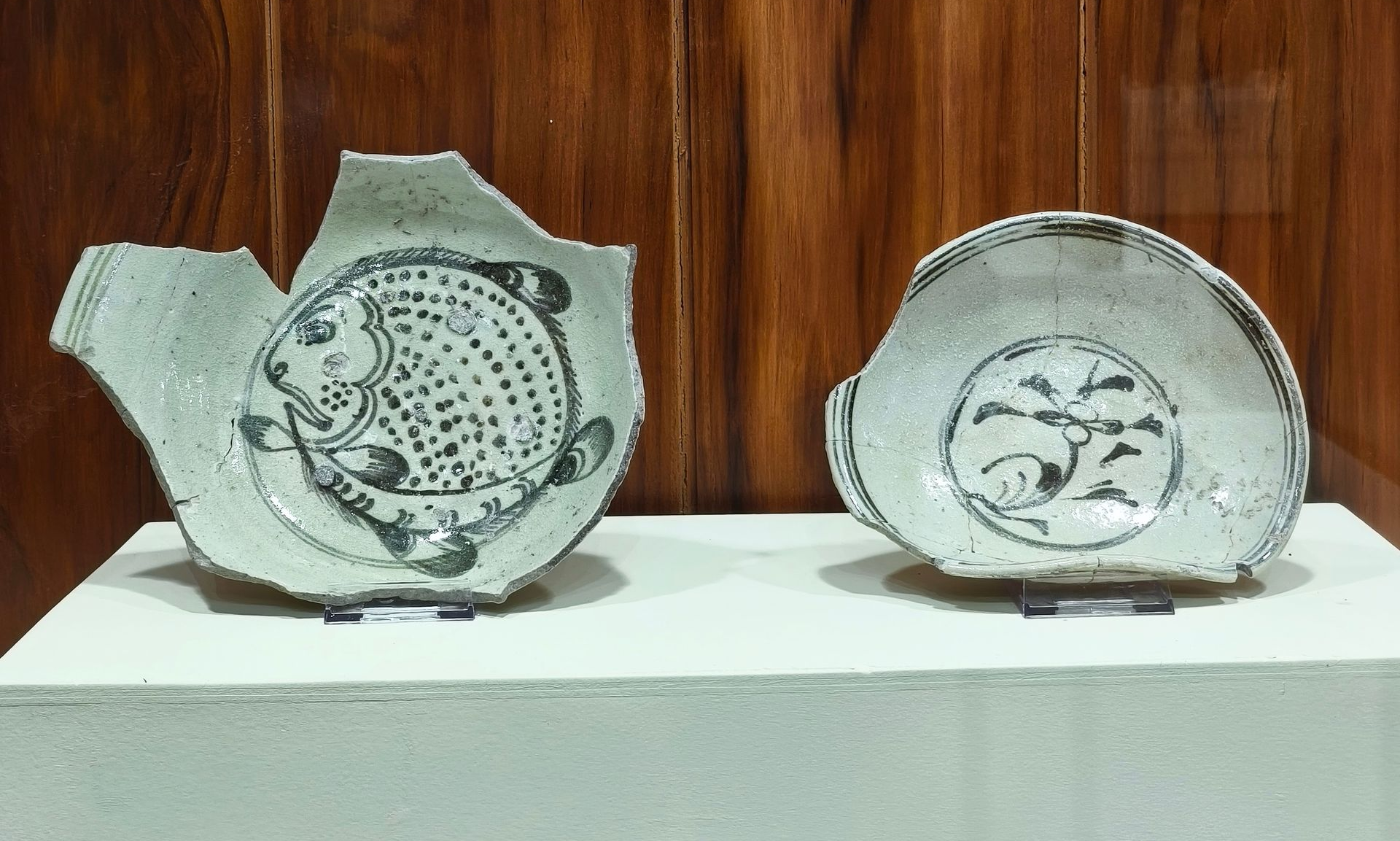
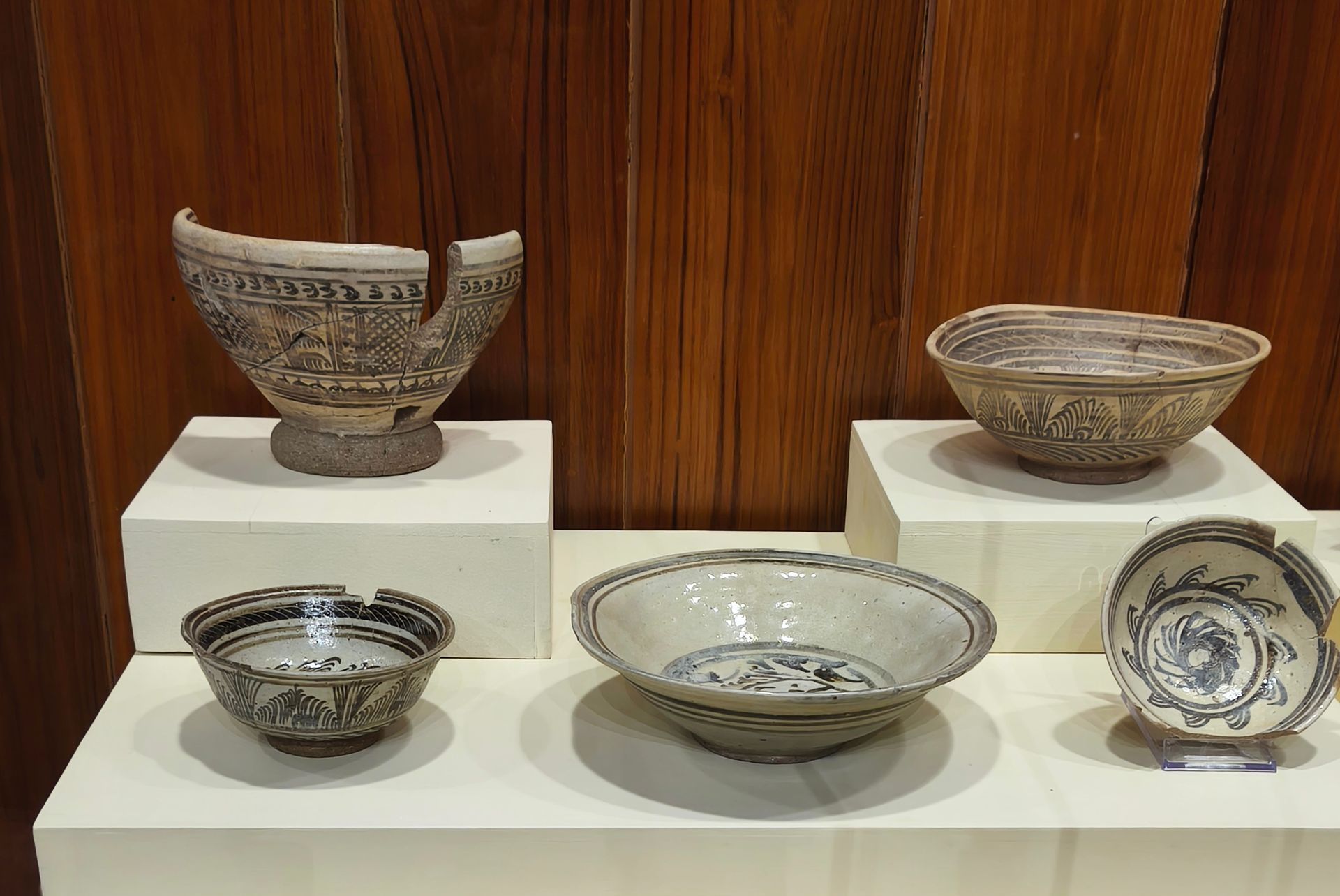
- The Sangkhalok Legacy: Utilizing its river networks to the East and South, Sukhothai exported its distinctive celadon ceramics across the globe. Found in shipwrecks in the Gulf of Thailand and burial sites in southeast Asia, these wares prove Sukhothai was a key player in the maritime trade networks of Asia.
4. The Cradle of Thai Identity
While scholars may debate political boundaries, there is no debate about the cultural impact. It was here that the foundations of "Thainess" crystallized:
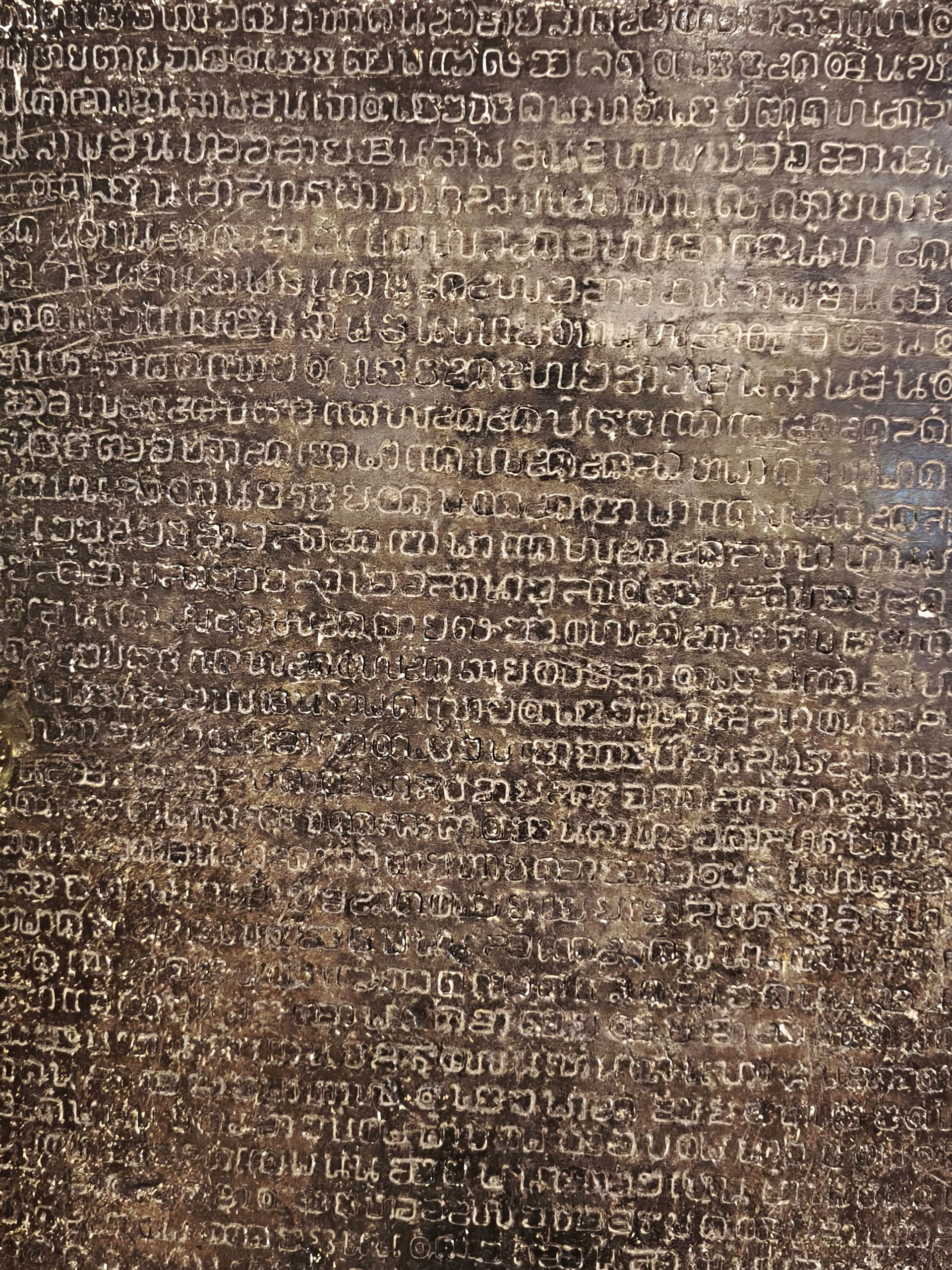
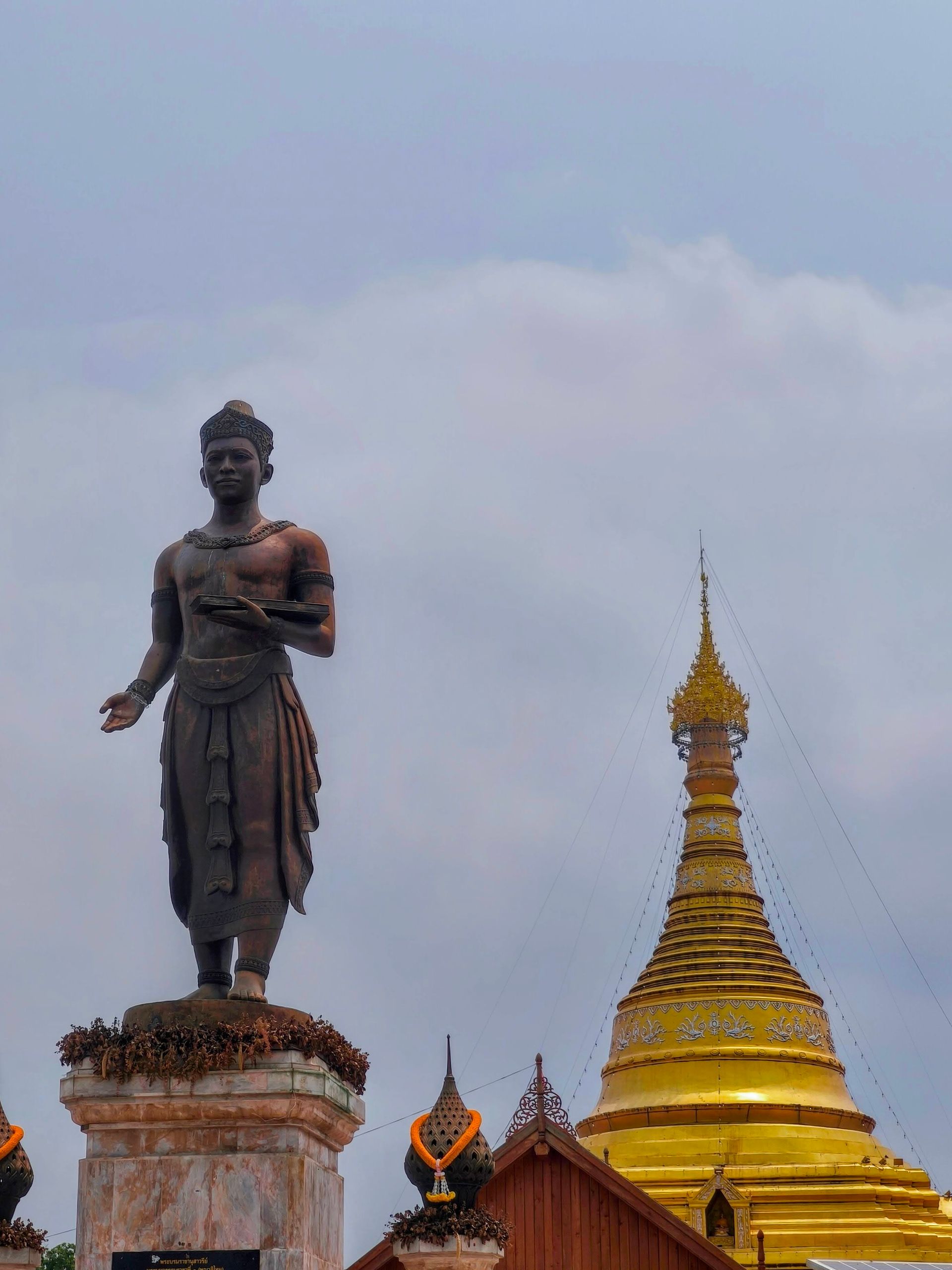
- The Language: King Ramkhamhaeng the Great created the Thai Alphabet, giving the people their own writing system and written voice.
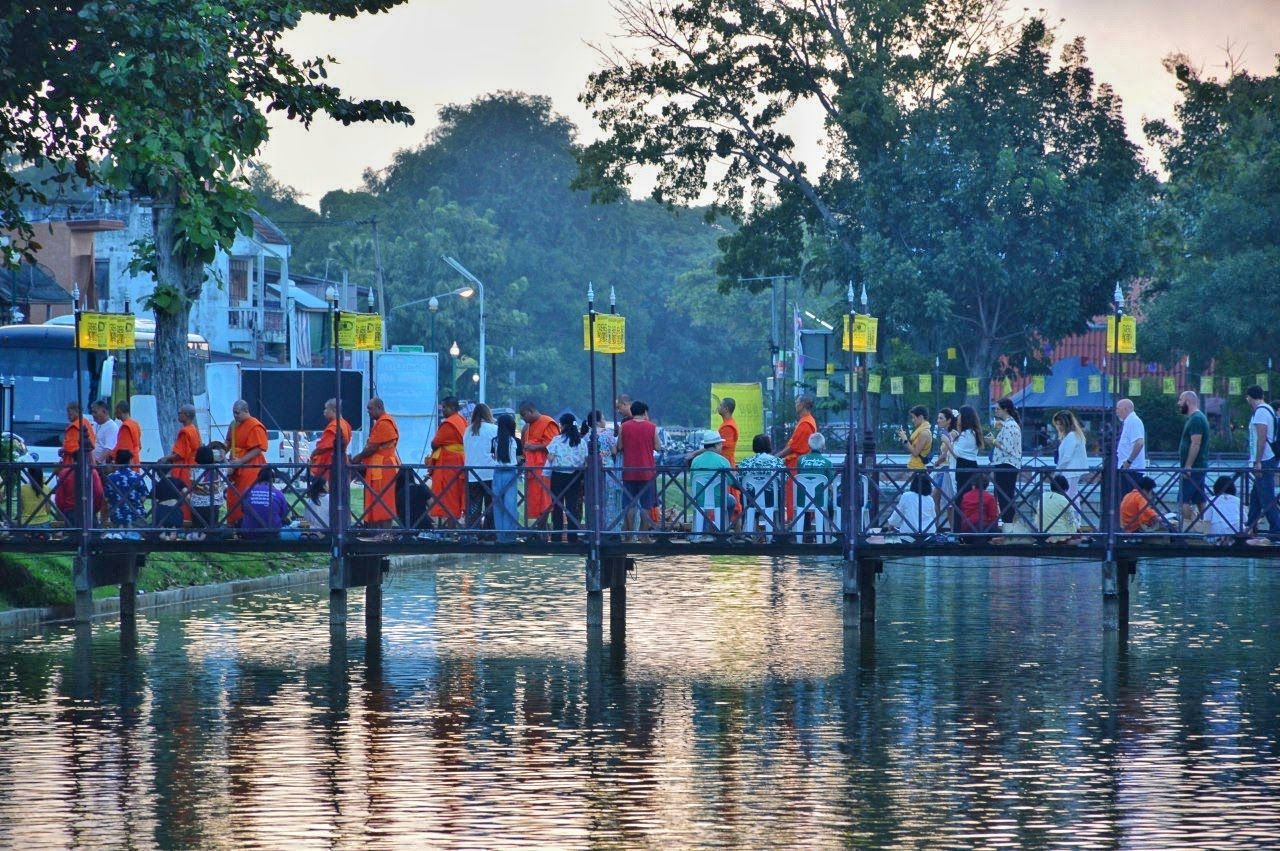
- The Religion: The adoption of Theravada Buddhism replaced strict rituals with a gentler, more accessible faith, shaping the humble nature of Thai society.